English
Inguinal hernia — Understanding a swelling in the groin
Clinical overview
An inguinal hernia occurs when abdominal contents, such as bowel, protrude into the groin or scrotum through an opening present from birth. A swelling may become more obvious when the child cries, coughs, stands, showers, or strains, and pain may occur.
Indications for treatment
Surgery is usually recommended because an inguinal hernia does not resolve spontaneously and requires surgical repair.
Without treatment, bowel may become trapped, the swelling may no longer go back in, and its blood supply can be interrupted, damaging the bowel.
Anaesthesia
The operation is performed under general anaesthesia, which means your child is asleep during the procedure. An additional numbing injection in the groin or back may be used for pain relief.
Preoperative fasting
Solid and semisolid food and Formula milk is usually stopped 6 hours before surgery, breast milk 4 hours before, and water 2 hours before.
Surgical procedure
The operation uses a small cut in the groin. It usually takes about 45 minutes, and a mesh is not used.
Intraoperative complications
Possible complications include minimal bleeding. Less frequent problems include injury to the bowel, the blood vessels supplying the testicle, or the sperm-carrying tube (vas deferens), as well as complications of anaesthesia.
Postoperative recovery and discharge
Food and drink can usually restart when your child is fully awake after the operation. If there are no other problems, going home on the same day may be possible. Pain relief may be needed for about two to three days.
Postoperative wound care
Absorbable stitches are used and do not need removal. Keep the wound dry for 3–5 days, then remove the dressing and follow the team’s advice about washing or bathing. Routine ointment is not usually needed for these groin operations.
Return to school, physical activity and follow-up
After returning home, your child may resume school if they feel comfortable and have no physical discomfort. However, strenuous activities such as cycling and swimming should be avoided for 3–4 weeks.
Routine follow-up is not usually needed unless there is a special reason. Follow the discharge plan.
Indications for medical review
Seek prompt medical advice for fever, pus from the wound, redness or swelling with worsening pain or warmth, inability to pass urine, or a child who is very distressed or unwell.
Postoperative complications
Postoperative problems include pain, a scar, wound infection and scrotal swelling. Less frequent problems listed include recurrence of the hernia, a smaller testicle, upward movement of the testicle, or loss of testicular viability.
Umbilical hernia — A bulge at your child’s belly button
Clinical overview
An umbilical hernia occurs when a small defect in the abdominal wall allows tissue to protrude at the umbilicus. It typically becomes more prominent when your child cries, coughs, or strains, and is generally painless. A clinician can usually confirm the diagnosis through a physical examination.
Indications for treatment
Most umbilical hernias close spontaneously by approximately four to five years of age. Surgical repair may be considered if the defect persists, is large, or becomes symptomatic. Taping a coin over the hernia or applying a tight abdominal binder does not promote closure of the defect and is not recommended.
Anaesthesia
The operation is performed under general anaesthesia, so your child is asleep throughout the procedure. Local anaesthetic may also be given around the wound to reduce postoperative discomfort.
Preoperative fasting
Solid and semisolid food and Formula milk is usually stopped 6 hours before surgery, breast milk 4 hours before, and water 2 hours before.
Surgical procedure
The surgeon makes a small incision near the umbilicus, returns the protruding tissue to the abdomen and closes the abdominal wall defect with sutures. The skin is then closed, usually with absorbable stitches.
Intraoperative complications
Bleeding and adverse effects of anaesthesia are possible complications during surgery. Serious complications are uncommon.
Postoperative recovery and discharge
Food and drink can usually restart once your child has recovered from the anaesthetic and is fully awake. Most children can return home the same day if they are comfortable and recovering well. Pain relief may be needed during the first few days.
Postoperative wound care
Absorbable stitches are usually used for the skin and do not need removal. Keep the wound clean and dry. Dressing removal and bathing depend on whether stitches, adhesive strips or skin glue have been used; the surgical team will explain the appropriate timing.
Return to school, physical activity and follow-up
Your child can usually return to school when comfortable. Activity restrictions vary, so confirm when cycling, swimming, sport and exercise can restart with the surgeon.
Routine follow-up is not usually needed unless there is a special reason. Follow the discharge plan.
Indications for medical review
Seek prompt medical advice for fever, pus from the wound, spreading redness, increasing pain or swelling, difficulty passing urine, or a child who is very distressed or unwell. Attend hospital immediately for a painful, firm or discoloured umbilical swelling that does not settle, especially with vomiting or abdominal distension. Bowel can rarely become trapped. Do not force the swelling back in.
Postoperative complications
Possible postoperative complications include pain, a scar, wound infection and temporary swelling around the umbilicus. Recurrence of the hernia is uncommon but can occur.
PPV ligation — Fluid around the testicle
Clinical overview
A hydrocele is fluid collecting around the testicle, causing scrotal swelling. In some children, a channel remains open between the abdomen and scrotum: a patent processus vaginalis (PPV). Fluid can pass through it.
Swelling may affect one or both sides, is often painless, and may become larger when crying or towards the end of the day.
Indications for treatment
Treatment may be considered if swelling persists or increases, if an inguinal hernia is present, or if prolonged pressure could affect testicular development. An uncomplicated hydrocele is usually treated as a planned problem rather than an emergency.
In most children under 2 years of age, a hydrocele may resolve spontaneously. However, if it persists beyond the age of 2-4 years, surgical intervention may be necessary. This condition cannot be cured with medication.
Anaesthesia
The operation is performed under general anaesthesia, which means your child is asleep during the procedure. An additional numbing injection in the groin or back may be used for pain relief.
Preoperative fasting
Solid food is usually stopped 6 hours before surgery, breast milk 4 hours before, and water 2 hours before.
Surgical procedure
A small cut is made in the groin. The operation usually takes about 45 minutes, and mesh is not used.
Intraoperative complications
Bleeding is minimal. Less frequent complications include injury to testicular blood vessels or the vas deferens, and side effects of anaesthesia.
Postoperative recovery and discharge
Food and drink can usually restart when your child is fully awake after the operation. If there are no other problems, going home the same day may be possible. Pain relief may be needed for about two days.
Postoperative wound care
Absorbable stitches are used and do not need removal. Keep the wound dry for 3–5 days, then remove the dressing and follow the team’s advice about washing or bathing. Routine ointment is not usually needed for these groin operations.
Return to school, physical activity and follow-up
After returning home, your child may resume school if they feel comfortable and have no physical discomfort. However, strenuous activities such as cycling and swimming should be avoided for 3–4 weeks.
Routine follow-up is not usually needed unless there is a special reason. Follow the discharge plan.
Indications for medical review
Seek prompt medical advice for fever, pus from the wound, redness or swelling with worsening pain or warmth, inability to pass urine, or a child who is very distressed or unwell.
Postoperative complications
Possible problems include pain, a scar, wound infection and temporary scrotal swelling. Less frequent problems include a smaller testicle, upward movement of the testicle or loss of testicular viability. The hydrocele can also recur.
Orchidopexy — Surgery for an undescended testicle
Clinical overview
Orchidopexy moves an undescended testicle into the scrotum. The operation is usually performed between 6 and 18 months of age.
Indications for treatment
An undescended testicle can affect growth or function, twist, and have psychological effects. It is also associated with an increased risk of testicular cancer later in life.
Anaesthesia
The operation is performed under general anaesthesia, which means your child is asleep during the procedure. An additional numbing injection in the groin or back may be used for pain relief.
Preoperative fasting
Solid food is usually stopped 6 hours before surgery, breast milk 4 hours before, and water 2 hours before.
Surgical procedure
Small cuts are made in the groin and scrotum. The operation usually takes about 45–60 minutes.
Intraoperative complications
Bleeding is minimal. Less frequent complications include the need to remove the testicle, damage to its blood supply or the vas deferens, and side effects of anaesthesia.
Postoperative recovery and discharge
Food and drink can usually restart when your child is fully awake after the operation. If there are no other problems, going home the same day may be possible. Pain relief may be needed for about two days.
Postoperative wound care
Absorbable stitches are used and do not need removal. Keep the wound dry for 3–5 days, then remove the dressing and follow the team’s advice about washing or bathing. Routine ointment is not usually needed for these groin operations.
Return to school, physical activity and follow-up
After returning home, your child may resume school if they feel comfortable and have no physical discomfort. However, strenuous activities such as cycling and swimming should be avoided for 3–4 weeks.
Routine follow-up is not usually needed unless there is a special reason. Follow the discharge plan.
Indications for medical review
Seek prompt medical advice for fever, pus from the wound, redness or swelling with worsening pain or warmth, inability to pass urine, or a child who is very distressed or unwell.
Postoperative complications
Possible problems include testicular swelling, pain, a scar and wound infection. Less frequent problems include the testicle moving upward again, becoming smaller, or losing viability.
Circumcision - understanding Phimosis & BXO — Preparing for foreskin surgery and caring for your child afterwards
Clinical overview
Circumcision permanently removes the foreskin.
The foreskin covers the head of the penis. In babies and many boys it cannot pull back yet. It usually loosens naturally, sometimes not until the teenage years. This alone does not mean surgery is needed.
Balanitis xerotica obliterans, also called lichen sclerosus, causes inflammation and scarring of the foreskin. It may affect the head of the penis or the urine opening. A tight foreskin alone does not prove BXO.
Wash the outside gently. Never force the foreskin back or stretch it painfully: this can tear and scar the skin. Once it moves freely, teach your child to rinse underneath and immediately bring it forward again.
Indications for treatment
Medical reasons include troublesome scarring, BXO or repeated infections when other treatment has not helped. A normally tight foreskin in a young child usually needs no operation.
A prescribed steroid cream often helps a troublesome tight foreskin. The clinician will show you where and how long to use it. Surgery is considered for scarring or persistent problems; discuss benefits and alternatives with the surgeon.
The specialist examines the skin and may measure urine flow. If the foreskin is removed, laboratory examination can help confirm the diagnosis.
Circumcision is commonly recommended for scarred foreskin. Prescribed steroid treatment may also be needed for affected skin. Some specialist teams offer other procedures in selected cases; ask what is suitable for your child and the chance of needing more treatment.
Anaesthesia
The operation is performed under general anaesthesia, which means your child is asleep during the procedure. An additional numbing injection in the groin or back may be used for pain relief.
Preoperative fasting
Tell the team about medicines, allergies, bleeding problems or recent illness. Follow their exact fasting instructions; do not use a general timetable.
Surgical procedure
The surgeon removes the foreskin and usually uses absorbable stitches.
Intraoperative complications
Possible intraoperative complications include bleeding.
Postoperative recovery and discharge
Food and drink can usually restart when your child is fully awake after the operation. If there are no other problems and passes urine, going home the same day may be possible. Pain relief may be needed for about two days.
Postoperative wound care
Some swelling, bruising and sensitivity are expected initially. Give pain relief as directed. Follow the specific instructions for dressings, washing and any ointment; do not pull off a dressing or surgical ring. Loose clothing may feel more comfortable.
Return to school, physical activity and follow-up
After returning home, your child may resume school if they feel comfortable and have no physical discomfort. However, strenuous activities such as cycling and swimming should be avoided for 3–4 weeks.
Do not force the foreskin back. Use creams only as directed. Attend follow-up even after surgery because narrowing of the urine opening can develop and may need treatment. Report new white patches, spraying or a weaker stream.
Indications for medical review
Get urgent help for inability to pass urine, bleeding that continues, worsening swelling or severe pain. Fever, pus or spreading redness needs prompt medical review.
Arrange review for repeated infections, painful urination, a weak stream, or a foreskin that used to retract but no longer does. A white, scarred ring may suggest BXO. Ballooning during urination alone is usually harmless if urine flows comfortably.
Go to hospital if your child cannot pass urine or the foreskin is stuck behind the head of the penis. Severe swelling, blue or black colour, or redness with fever also needs urgent assessment. Do not try forceful home treatment.
Look for a white, firm ring or patches, cracking, painful urination or an increasingly tight foreskin. Urine may spray, flow slowly or take longer to pass. Arrange a review with a doctor.
Go to hospital immediately if your child cannot pass urine. Severe swelling, blue or black colour, or a trapped retracted foreskin also needs emergency care.
Postoperative complications
Risks include bleeding, infection, altered appearance, narrowing of the urine opening and occasionally further surgery.
Intussusception — When one part of the bowel slides into another
Urgent hospital assessment
Repeated attacks of severe tummy pain, pallor, vomiting or unusual sleepiness need urgent assessment. A child may seem well between attacks. Do not wait for blood in the poo; this can be a late sign.
Pathophysiology and clinical features
One part of the bowel slides inside the next, like a telescope. This can block the bowel and damage its blood supply. It is most common in babies and toddlers, but older children can be affected.
Hospital assessment and investigations
An ultrasound usually confirms the diagnosis. The team gives pain relief and fluids through a drip. Do not give food or drink until the team says it is safe.
Treatment
Liquid introduced gently through the bottom, with imaging guidance, can often unfold the bowel. This is done in hospital with surgical support because a small risk of a hole in the bowel exists. Surgery is needed if this fails or is unsafe; damaged bowel may need removal.
Post-treatment monitoring
Your child is observed before going home. Intussusception can return, especially soon after treatment. Go straight back for repeated pain, vomiting, unusual sleepiness or blood in poo.
Testicular torsion — Sudden testicle pain needs emergency care
Immediate emergency assessment
Sudden pain in a testicle, or new swelling of the skin around the testicles, needs immediate assessment at the nearest emergency department. Pain may come with tummy pain, nausea or vomiting. Do not wait until morning, for a routine appointment, or for a scan.
Get urgent help even if the pain eases or began many hours ago. Call your local emergency ambulance service if you cannot get there safely.
Pathophysiology
A testicle can twist and block its own blood supply. This can damage it within hours. It is most common in teenagers but can happen at any age. In a baby, swelling or a change in colour may occur without obvious pain.
Prehospital care
Do not try to twist or massage the testicle yourself. Avoid food and drink until the emergency team advises you, as an operation may be needed. Do not delay leaving if your child has already eaten; tell the team when they last ate or drank.
Emergency assessment and investigations
A doctor will examine your child promptly. If twisting is suspected, an urgent operation may be needed without waiting for an ultrasound. Your child will be asleep and will not feel the operation.
Surgical management
The surgeon untwists the testicle and checks whether it can recover. Usually, both testicles are secured with stitches to help prevent future twisting. A testicle that is too badly damaged may need to be removed. The surgeon will explain the findings and next steps.
Postoperative recovery and follow-up
Follow your child's discharge instructions for pain relief, washing, school and sport. Attend any follow-up to check healing and the testicle's recovery. Get medical advice for fever, increasing redness, wound discharge or worsening pain. Sudden testicle pain needs emergency assessment again.
Abdominal pain — Helping a child with tummy pain
Indications for emergency assessment
Go to hospital now for severe pain, a swollen or hard tummy, green or bloody vomit, blood in poo, or sudden testicle pain or swelling. Call emergency services for collapse, breathing difficulty or a child who is hard to wake.
Aetiology
Constipation, tummy infections and urine infections can cause pain. Occasionally the cause is appendicitis or a blocked bowel. Symptoms can change, so a child may need another examination even after an earlier reassuring check.
Supportive care at home
For mild pain in an otherwise well child with no warning signs, offer rest, small frequent drinks and food if wanted. Do not force meals. Paracetamol may help; use the dose on the label for your child’s age or weight. Do not start laxatives unless advised.
Indications for medical review
Seek same-day advice for persistent or worsening pain, fever, repeated vomiting, painful urination, or fewer wet nappies or less urine. Arrange review for pain that keeps returning, weight loss or disrupted sleep. Do not wait if your child seems very unwell.
Clinical history and assessment
Note when pain began, where it hurts, drinks, urine, poo and any medicines. Tests depend on the examination; not every child needs a scan. Ask what changes should bring you back.
Acute appendicitis — A painful, inflamed appendix that needs urgent assessment
Urgent medical assessment
Go to hospital now for severe or worsening tummy pain, especially if movement hurts. Call your local emergency service if your child collapses or is hard to wake. Do not wait for every symptom to appear.
Clinical overview
The appendix is a small pouch attached to the bowel. When inflamed, it can burst and cause a serious infection inside the tummy.
Clinical features
Pain may begin near the belly button and move to the lower right side. Poor appetite, vomiting or fever can occur. Younger children may have different symptoms, including diarrhoea.
Hospital assessment and investigations
The team examines your child and may arrange urine or blood tests and an ultrasound. Repeat examinations may be needed; no single test always gives the answer. Pain relief and fluids help keep your child comfortable. Follow the team’s food and drink instructions.
Treatment
Treatment usually involves antibiotics and removal of the appendix under general anaesthesia, often by keyhole surgery. Some children, including those with a contained collection of infection, need a different plan. The surgeon will explain options and risks such as bleeding or infection.
Recovery and follow-up
Follow the discharge plan for medicines, wound care, school and sport. Recovery takes longer after a burst appendix. Seek urgent review for fever, increasing pain, repeated or green vomiting, or a red, swollen or leaking wound.
Constipation — Helping your child pass soft, comfortable stools
Clinical features
Stools may be hard, large or like small pellets, and passing them may hurt. Your child may hold on, have tummy aches or eat less. Staining in underwear can be softer stool leaking around a build-up; it is not deliberate misbehaviour.
Indications for medical assessment
Go to emergency care for a very swollen tummy with vomiting, green vomit, severe ongoing pain, or a child who is very unwell.
Arrange a doctor's review if symptoms persist, there is blood in the stool, poor growth, or your baby is under one year. Tell the doctor if problems started at birth or in the first weeks, or the first stool was not passed within two days of birth.
Aetiology
After a painful stool, children may hold on because they fear pain. This makes stools harder. Changes in routine, toilet worries and diet can contribute. Most children do not have a serious underlying illness.
Toileting and behavioural management
For a child ready to use the toilet, offer a relaxed three-to-five-minute sit after meals. Support their feet on a stool and let their knees sit slightly above their hips. Praise trying, even when nothing happens. Never punish accidents.
Diet, hydration and physical activity
Offer age-appropriate fruit, vegetables, wholegrains and regular drinks, alongside active play. Food changes alone often do not clear established constipation. Ask for advice before changing a baby's feeds or removing milk from the diet.
Medical management and recurrence prevention
A clinician may prescribe medicine to soften stools. A large build-up may need clearing first, followed by daily treatment. Follow the prescribed dose; do not use enemas or other laxatives without advice.
Treatment often takes months. Do not stop medicine as soon as stools improve; agree a gradual reduction with the clinician. Keep a stool diary and attend reviews. Most children improve without surgery.
Snakebite: assessment and first aid — A snake bite can cause serious illness and needs urgent medical assessment
Immediate hospital assessment
Treat every snake bite as an emergency, even if your child seems well or you are not sure a snake bit them. Take your child to the nearest hospital straight away.
Prehospital first aid
Keep your child calm and as still as possible. Carry them rather than letting them walk. Keep the bitten arm or leg still, for example with a splint or sling, at or below the level of the heart.
Remove rings, bangles, anklets, watches and tight clothing near the bite before swelling starts.
Contraindicated first-aid measures
Do not tie a tight band or tourniquet. Do not cut, suck or burn the wound, and do not put ice or herbal or traditional remedies on it.
Do not try to catch or kill the snake. If it is safe, a photo taken from a distance can help the doctors.
Hospital assessment and management
Doctors will examine your child and do blood tests, including a clotting test. Your child is usually watched for at least 24 hours, because signs can appear late. If there are signs of poisoning, antivenom is given through a drip. Some children need care in an intensive care unit.
Clinical signs of envenomation
Tell the staff immediately if your child becomes drowsy, has drooping eyelids or double vision, has trouble swallowing, talking or breathing, bleeds from the gums or wound, passes little or dark urine, or if swelling spreads quickly.
Discharge advice and prevention
Follow the wound care and follow-up plan. After antivenom, a rash, fever or joint pain can appear days later; return to the hospital if this happens.
To prevent bites: use a torch at night, wear footwear outdoors, keep grass and rubbish away from the house, and let children sleep on a bed under a net rather than on the floor.
Paediatric burns: initial management — Cool the burn, keep your child warm, and get help
Scene safety
Move away from the heat. Switch off electricity before touching your child. For serious burns, smoke exposure or breathing difficulty, call emergency services immediately while first aid starts. Do not delay emergency help to finish cooling.
Immediate cooling with running water
Cool the burned skin under cool running water for a total of 20 minutes, as soon as possible. Cooling can still help within three hours of injury. Cool the burn, not the whole child; keep unburned areas warm. Pause if your child becomes very cold or distressed and seek help.
Removal of non-adherent clothing and jewellery
Gently remove nearby clothing, nappies and jewellery before swelling develops. Leave anything stuck to the skin in place.
Temporary wound coverage
After cooling, lay clean cling film loosely over the burn, or use a clean, non-fluffy covering. Do not wrap film around a limb or put it on the face. Do not use cling film for chemical burns.
Contraindicated first-aid measures
Do not use ice, toothpaste, butter, oils or creams for first aid. Do not burst blisters or apply sticky dressings.
Indications for medical assessment
Go to hospital for deep or large burns, burns on the face, hands, genitals or major joints, and all electrical or chemical burns. Seek prompt advice for blistering, burns in a baby, or any concern. Chemical burns need urgent advice and thorough water irrigation; do not try to neutralise the chemical.
Post-assessment care
Follow the dressing and pain-relief plan. Seek review for increasing pain, redness, discharge or fever. Keep hot drinks and cooking handles out of children’s reach.
Foreign body ingestion — Foreign body ingestion: what to do next
High-risk foreign bodies: immediate assessment
A swallowed button battery needs emergency care even if your child seems well. Go to hospital immediately for magnets, sharp objects, water beads or an unknown object. Multiple magnets, or a magnet with metal, can damage the bowel. If choking prevents breathing or effective coughing, call emergency services and follow their first-aid instructions.
Prehospital precautions
Do not cause vomiting or push the object down with food. Bring its packaging or an identical object if available, without delaying departure. Do not give food or drink until advised, apart from the button-battery honey exception below.
Button battery ingestion: honey administration criteria
If a button battery may have been swallowed within the last 12 hours, and your child is older than 12 months, alert and able to swallow safely, give 10 mL (two teaspoons) of honey every 10 minutes, up to six doses, while travelling for emergency care. Do not give honey to a child aged 12 months or younger, with a honey allergy, or with swallowing difficulty. Never delay transport to find honey; it does not replace urgent removal.
Hospital assessment and investigations
The team may take X-rays. Some materials do not show on X-ray. An object stuck in the food pipe or a dangerous object may need removal with a camera under anaesthesia.
Conservative management and observation
Many small, harmless objects pass naturally. Follow the team’s plan. Return urgently for drooling, trouble swallowing, chest or tummy pain, repeated vomiting, fever, or blood in vomit or poo. Secure battery compartments and keep small objects out of reach.
Anorectal malformation — When a baby is born with a different bowel opening
Clinical overview
The anus or rectum has not formed in the usual way. The opening may be missing, narrow or in a different place; sometimes the bowel connects to the urinary tract or genital area. Each child’s anatomy and treatment plan are different.
Urgent medical assessment
A newborn who has no visible anal opening, has not passed their first poo, has a swollen tummy, green vomiting or poo coming from an unusual opening needs urgent hospital assessment. Do not insert anything or give an enema at home.
Diagnostic assessment and initial management
The team examines your baby and checks for associated problems involving the kidneys, spine and heart. Scans guide the plan. If the bowel is blocked, a drip and a tube to empty the stomach may be needed.
Surgical management
Some babies need one repair; others need staged operations. A temporary colostomy brings bowel to an opening on the tummy so poo collects in a bag. Later surgery creates or repositions the anus, and the stoma may be closed once healing allows.
Postoperative care and caregiver education
Nurses teach feeding, skin, wound and stoma care. Anal dilatation is needed for some children only: do it solely when prescribed and after hands-on teaching. Seek urgent help for green vomiting, swelling, fever, poor feeding or a dark stoma.
Long-term outcomes and follow-up
Long-term follow-up helps with constipation, soiling and toilet training. Some children need a bowel-management programme. Bowel accidents are not your child’s fault; patient support helps confidence and participation in school.
Congenital diaphragmatic hernia (CDH) — An opening in the diaphragm allows abdominal organs into the chest
Clinical overview
The diaphragm is the dome-shaped muscle between the chest and the tummy. In congenital diaphragmatic hernia, a hole in this muscle lets the bowel, stomach or liver move up into the chest before birth. This leaves less room for the lungs to grow, so breathing can be difficult after birth.
Antenatal diagnosis
CDH is often found on a pregnancy scan. If so, the team will plan for your baby to be born in a hospital with newborn intensive care and children’s surgeons. More scans may help estimate how well the lungs are growing.
Neonatal stabilisation
Most babies need help with breathing straight away, usually through a breathing tube and a ventilator. A thin tube through the nose keeps the stomach empty. Your baby will be cared for in the newborn intensive care unit.
Surgical repair
Surgery is done once your baby’s breathing and circulation are stable, often after a few days. Under general anaesthesia, the surgeon moves the organs back into the tummy and closes the hole with stitches or a patch.
Postoperative care
Your baby stays in intensive care while breathing support is slowly reduced. Feeds start through a tube and then move to milk feeds. Reflux is common. The length of stay varies from weeks to months.
Long-term outcomes and follow-up
Regular follow-up checks breathing, feeding, growth, hearing and development. The hernia can occasionally come back. Get medical help quickly for breathing difficulty, repeated vomiting, tummy pain or poor feeding.
Tracheo-oesophageal fistula (TEF) — An abnormal connection between the windpipe and food pipe
Clinical overview
The oesophagus (food pipe) carries milk from the mouth to the stomach. In this condition, the food pipe may not join up with the stomach (oesophageal atresia), and there may be an abnormal connection to the windpipe (tracheo-oesophageal fistula). Milk and saliva can then go into the lungs.
Neonatal presentation
A baby may have frothy saliva, cough, choke or turn blue when fed. The team may not be able to pass a feeding tube into the stomach. Do not feed your baby by mouth until the team has checked them.
Preoperative stabilisation
Your baby is cared for in the newborn intensive care unit. Feeds by mouth are stopped, a tube gently clears saliva from the upper food pipe, and fluids are given through a drip. Tests, including a heart scan, check for other conditions that can occur together.
Surgical repair
Surgery is usually done in the first days of life under general anaesthesia. The surgeon closes the connection to the windpipe and joins the two ends of the food pipe. If the gap is long, the repair may be done in stages.
Postoperative care
Your baby stays in intensive care and may need breathing support for a while. Feeds start through a tube. An X-ray with a special drink is often done to check the join before milk feeds begin by mouth.
Long-term care and follow-up
A narrowing at the join can make swallowing difficult and may need gentle stretching. Reflux and a harsh, barking cough are common. Give small mouthfuls, keep your child upright for feeds, and attend follow-up. Get urgent help for choking, blue episodes, breathing difficulty or being unable to swallow saliva.
සිංහල
ඉකිලි ප්රදේශයේ හර්නියා — ඉකිලිය ආශ්රිත ඉදිමීම පිළිබඳව
මෙය කුමක්ද?
උපතේ සිට පවතින විවරයක් හරහා, අන්ත්ර වැනි උදර කුහරයේ අඩංගු දේ ඉකිලි ප්රදේශයට හෝ වෘෂණ කෝෂය දෙසට නෙරා ඒම 'ඉන්ගුවිනල් හර්නියා' (inguinal hernia) තත්ත්වය ලෙස හැඳින්වේ. දරුවා හඬන විට, කැස්ස ඇති විට, සිටගෙන සිටින විට, ස්නානය කරන විට හෝ යම් දෙයක් සඳහා වෙර දරන විට මෙම ඉදිමුම වඩාත් කැපී පෙනෙන ලෙස දැකිය හැකි අතර, ඒ සමඟ වේදනාවක් ද ඇති විය හැකිය.
ශල්යකර්මය අවශ්ය විය හැක්කේ ඇයි?
ඉකිලි හර්නියා සම්පූර්ණයෙන් සුව කිරීමට ශල්යකර්මය අවශ්ය බව වේ. එය ඉබේ හෝ ඖෂධ මඟින් සුව නොවේ.
ප්රතිකාර නොකළහොත් බඩවැල් හිරවීම, හර්නියාව නැවත ඇතුළට යැවිය නොහැකි වීම හා බඩවැලට රුධිරය සැපයීම අවහිර වී හානි වීම ඇති විය හැක.
නිර්වින්දනය
ශල්යකර්මයේදී දරුවාගේ සම්පූර්ණ සිහිය නැති කරන නිර්වින්දනයක් ලබාදෙන බව වේ. වේදනාව අඩු කිරීමට ඉකිලියට හෝ කොන්දට හිරිවට්ටන ඖෂධයක් විදිය හැක.
ශල්යකර්මයට පෙර
සාමාන්යයෙන් ශල්යකර්මයකට පෙර ඝන ආහාර, අර්ධ ඝන ආහාර සහ ළදරු කිරිපිටි (Formula milk) පැය 6කට පෙර නතර කළ යුතුය. මව්කිරි පැය 4කට පෙර නතර කළ යුතු අතර, ජලය පානය කිරීම ශල්යකර්මයට පැය 2කට පෙර නතර කළ යුතුය.
ශල්යකර්මය
ඉකිලි ප්රදේශයේ කුඩා කැපුමක් යොදා ශල්යකර්මය සිදු කරයි. ආසන්න කාලය විනාඩි 45ක් වන අතර දැල් භාවිත නොකරයි.
ශල්යකර්මය අතරතුර ඇතිවිය හැකි සංකූලතා
ඇතිවිය හැකි සංකූලතා අතර සුළු රුධිර වහනය ප්රධාන වේ. කලාතුරකින් බඩවැල්වලට, වෘෂණයට රුධිරය ගෙන යන නාලවලට හෝ ශුක්රාණු නාලයට හානි වීම සහ නිර්වින්දනයේ අතුරු ආබාධ ඇති විය හැක.
ආහාර ගැනීම හා නිවසට යාම
ශල්යකර්මයෙන් පසු සම්පූර්ණ සිහිය ලැබුණු විට ආහාරපාන ආරම්භ කළ හැකිවේ. වෙනත් අපහසුතා නොමැති නම් එදිනම නිවසට යා හැකිය. දින දෙකක් පමණ වේදනානාශක අවශ්ය විය හැක. රෝහලෙන් පිටවීමේදී ලබාදෙන උපදෙස් පිළිපදින්න.
තුවාලයට සත්කාර කිරීම
දියවන මැහුම් භාවිත කරන බැවින් ඒවා ඉවත් කිරීම අවශ්ය නැත. ලබා දී ඇති උපදෙස් අනුව තුවාලය දින 3–5ක් වියළිව තබා, ඉන්පසු ප්ලාස්ටරය ඉවත් කර ඇඟ සේදීම හෝ නෑම කළ හැක. තුවාලය පිරිසිදුව හා වියළිව තබන්න. මෙම ඉකිලි ශල්යකර්ම සඳහා සාමාන්යයෙන් ආලේපන අවශ්ය නොවේ.
පාසල, ක්රීඩා හා පසු විපරම
නිවසට යාමෙන් පසු දරුවාට ශාරීරික අපහසුතාවයක් නොමැති නම් නැවත පාසල් යා හැකිය. කෙසේ වෙතත්, බයිසිකල් පැදීම සහ පිහිනීම වැනි වෙහෙසකාරී ක්රියාකාරකම් සති 3–4ක් යනතුරු වළක්වා ගත යුතුය.
විශේෂ අවශ්යතාවක් නැති නම් සාමාන්ය පසු විපරමක් අවශ්ය නොවන බව වේ. රෝහලෙන් ලබාදෙන සැලැස්ම පිළිපදින්න.
වෛද්ය උපදෙස් ලබාගත යුත්තේ කවදාද?
උණ, තුවාලයෙන් සැරව පිටවීම, රතු වීම හෝ ඉදිමීම සමඟ වැඩිවන වේදනාව හෝ උණුසුම, මුත්රා පිට නොවීම, හෝ දරුවා ඉතා අපහසුවෙන් හෝ අසනීපයෙන් සිටීම ඇති නම් ඉක්මනින් වෛද්ය උපදෙස් ලබාගන්න.
ශල්යකර්මයෙන් පසු ඇතිවිය හැකි සංකූලතා
වේදනාව, තුවාල කැළල, තුවාල ආසාදනය හා වෘෂණ කෝෂය ඉදිමීම. කලාතුරකින් හර්නියාව නැවත ඇති වීම, වෘෂණය කුඩා වීම, ඉහළට යාම හෝ වෘෂණයේ වීම ඇති විය හැක.
නාභි හර්නියාව — දරුවාගේ නාභිය අසල පිම්බීමක්
මෙය කුමක්ද?
බඩේ පේශිවල කුඩා විවරයක් හරහා පටක නාභිය අසලින් පිටතට නෙරා එයි. ඇඬීමේදී හෝ තැටමීමේදී එය වඩා පැහැදිලි වන අතර සාමාන්යයෙන් රිදෙන්නේ නැත. දරුවා පරීක්ෂා කිරීමෙන් වෛද්යවරයාට බොහෝ විට හඳුනාගත හැකිය.
ප්රතිකාර අවශ්ය විය හැක්කේ ඇයි?
බොහෝ විට වයස අවුරුදු හතරක් හෝ පහක් වන විට ස්වභාවිකව වැසේ. දිගටම පවතී නම්, විශාල නම් හෝ ලක්ෂණ ඇතිකරයි නම් ශල්යකර්මයක් යෝජනා කළ හැකිය. කාසියක් අලවන්න හෝ තද පටියක් දමන්න එපා; ඒවායින් විවරය වැසෙන්නේ නැත.
නිර්වින්දනය
ශල්යකර්මය පූර්ණ නිර්වින්දනය යටතේ සිදු කරන බැවින් දරුවා ක්රියාවලිය පුරා නිදා සිටී. ශල්යකර්මයෙන් පසු අපහසුතාව අඩු කිරීමට තුවාලය අවට ප්රදේශයට ස්ථානීය නිර්වින්දන ඖෂධයක් ද ලබා දිය හැක.
ශල්යකර්මයට පෙර ආහාර හා පානය
පූර්ණ නිර්වින්දනයට පෙර නිරාහාරව සිටීම අවශ්ය වේ. ඝන ආහාර, පිටි කිරි, මව්කිරි හා පැහැදිලි දියර නතර කළ යුතු වේලාවන් වෙනස් වේ. ඒවා නතර කළ යුතු වේලාව නිර්වින්දන කණ්ඩායම දැනුම් දෙයි.
ශල්යකර්මය සිදු කරන්නේ කෙසේද?
ශල්ය වෛද්යවරයා නාභිය අසල කුඩා කැපුමක් කර, පිටතට නෙරා ඇති පටක නැවත උදරය තුළට යවා, උදර බිත්තියේ විවරය මැහුම් දමා වසයි. ඉන්පසු සාමාන්යයෙන් දියවන මැහුම් භාවිත කර සම වසයි.
ශල්යකර්මය අතරතුර ඇතිවිය හැකි සංකූලතා
ශල්යකර්මය අතරතුර රුධිර වහනය හා නිර්වින්දනයේ අතුරු ආබාධ ඇති විය හැක. බරපතළ සංකූලතා කලාතුරකින් සිදු වේ.
ආහාර ගැනීම හා නිවසට යාම
දරුවා නිර්වින්දනයෙන් සුවය ලබා සම්පූර්ණයෙන් අවදි වූ පසු සාමාන්යයෙන් ආහාර හා පානය නැවත ආරම්භ කළ හැක. අපහසුතාවක් නොමැතිව හොඳින් සුවය ලබන බොහෝ දරුවන්ට එදිනම නිවසට යා හැක. මුල් දින කිහිපය තුළ වේදනා නාශක අවශ්ය විය හැක.
තුවාලයට සත්කාර කිරීම
සම වැසීමට සාමාන්යයෙන් දියවන මැහුම් භාවිත කරන අතර ඒවා ඉවත් කිරීම අවශ්ය නොවේ. තුවාලය පිරිසිදුව හා වියළිව තබන්න. ආවරණය ඉවත් කිරීම හා නෑම සඳහා සුදුසු කාලය මැහුම්, ඇලෙන පටි හෝ සම සඳහා මැලියම් භාවිත කර ඇත්ද යන්න මත වෙනස් වේ. ශල්ය කණ්ඩායම සුදුසු කාලය පැහැදිලි කරයි.
පාසල, ක්රීඩා හා පසු විපරම
දරුවාට අපහසුතාවක් නැති විට පාසල් යා හැකි බව සඳහන් වේ. ක්රියාකාරකම් නැවත ආරම්භ කරන කාලය වෙනස් විය හැකි බැවින්, එය ශල්ය වෛද්යවරයාගෙන් තහවුරු කරන්න.
විශේෂ අවශ්යතාවක් නැති නම් සාමාන්ය පසු විපරමක් අවශ්ය නොවන බව වේ. රෝහලෙන් ලබාදෙන සැලැස්ම පිළිපදින්න.
වෛද්ය උපදෙස් ලබාගත යුත්තේ කවදාද?
උණ, තුවාලයෙන් සැරව පිටවීම, රතු වීම හෝ ඉදිමීම සමඟ වැඩිවන වේදනාව හෝ උණුසුම, මුත්රා පිට නොවීම, හෝ දරුවා ඉතා අපහසුවෙන් හෝ අසනීපයෙන් සිටීම ඇති නම් ඉක්මනින් වෛද්ය උපදෙස් ලබාගන්න. රිදෙන, තද හෝ පැහැය වෙනස් වූ පිම්බීමක් අඩු නොවේ නම්, විශේෂයෙන් වමනය, බඩ ඉදිමීම හෝ දරුවා ඉතා අසනීප වීම සමග නම්, රෝහලට යන්න. කලාතුරකින් බඩවැල සිරවිය හැකිය. පිම්බීම බලෙන් ඇතුළට තල්ලු නොකරන්න.
ශල්යකර්මයෙන් පසු ඇතිවිය හැකි සංකූලතා
ශල්යකර්මයෙන් පසු වේදනාව, තුවාල කැළල, තුවාල ආසාදනය හා නාභිය අවට තාවකාලික ඉදිමීම ඇති විය හැක. හර්නියාව නැවත ඇති වීම කලාතුරකින් සිදු විය හැක.
PPV බැඳීම — වෘෂණය වටා දියර එකතු වීම
මෙය කුමක්ද?
වෘෂණය වටා දියර එකතු වී වෘෂණ කෝෂය ඉදිමීම හයිඩ්රොසීල් ලෙස හැඳින්වේ. සමහර දරුවන්ට උදරය හා වෘෂණ කෝෂය අතර විවෘත නාලයක් පවතී. එය Patent Processus Vaginalis (PPV) ලෙස හැඳින්වෙන අතර එය හරහා දියර ගලා යා හැක.
එක් පැත්තක් හෝ දෙපැත්තම ඉදිමිය හැක. බොහෝවිට වේදනාවක් නැති අතර අඬන විට හෝ දවස අවසානයේ ඉදිමීම වැඩි විය හැක.
ප්රතිකාර අවශ්ය විය හැක්කේ ඇයි?
දිගටම පවතින හෝ වැඩිවන ඉදිමීම, ඉකිලි හර්නියා ඇති වීම සහ දිගුකාලීන පීඩනය නිසා වෘෂණ වර්ධනයට බලපෑම වේ. සංකූලතා නැති හයිඩ්රොසීල් සඳහා හදිසි නොවන සැලසුම් කළ ප්රතිකාර සඳහන් කරයි.
වයස අවුරුදු 2ට අඩු බොහෝ දරුවන්ගේ හයිඩ්රොසීල් (Hydrocele) තත්ත්වය කාලයත් සමඟ ස්වභාවිකව සුව විය හැකිය. කෙසේ වෙතත්, වයස අවුරුදු 2–4 ඉක්මවා ගිය පසුවත් මෙම තත්ත්වය පවතී නම් ශල්යකර්මයක් සිදු කිරීම අවශ්ය විය හැකිය. මෙම තත්ත්වය ඖෂධ මඟින් සුව කළ නොහැකිය
නිර්වින්දනය
ශල්යකර්මයේදී දරුවාගේ සම්පූර්ණ සිහිය නැති කරන නිර්වින්දනයක් ලබාදෙන බව වේ. වේදනාව අඩු කිරීමට ඉකිලියට හෝ කොන්දට හිරිවට්ටන ඖෂධයක් විදිය හැක.
ශල්යකර්මයට පෙර ආහාර හා පානය
සාමාන්යයෙන් ශල්යකර්මයකට පෙර ඝන ආහාර, අර්ධ ඝන ආහාර සහ ළදරු කිරිපිටි (Formula milk) පැය 6කට පෙර නතර කළ යුතුය. මව්කිරි පැය 4කට පෙර නතර කළ යුතු අතර, ජලය පානය කිරීම ශල්යකර්මයට පැය 2කට පෙර නතර කළ යුතුය.
ශල්යකර්මය සිදු කරන්නේ කෙසේද?
ඉකිලියේ කුඩා කැපුමක් යොදයි. විනාඩි 45ක් පමණ ගතවන බවත් දැල් භාවිත නොකරන බවත් සඳහන් වේ.
ශල්යකර්මය අතරතුර ඇතිවිය හැකි සංකූලතා
රුධිර වහනය අවම වේ. කලාතුරකින් වෘෂණයට යන රුධිර නාල හෝ ශුක්රාණු නාලයට හානි සහ නිර්වින්දන අතුරු ආබාධ ඇති විය හැක.
ආහාර ගැනීම හා නිවසට යාම
ශල්යකර්මයෙන් පසු සම්පූර්ණ සිහිය ලැබුණු විට ආහාරපාන ආරම්භ කළ හැකි බව වේ. වෙනත් අපහසුතා නොමැති නම් එදිනම නිවසට යා හැකිය. දින දෙකක් පමණ වේදනානාශක අවශ්ය විය හැක. රෝහලෙන් පිටවීමේදී ලබාදෙන උපදෙස් පිළිපදින්න.
තුවාලයට සත්කාර කිරීම
දියවන මැහුම් භාවිත කරන බැවින් ඒවා ඉවත් කිරීම අවශ්ය නැත. ලබා දී ඇති උපදෙස් අනුව තුවාලය දින 3–5ක් වියළිව තබා, ඉන්පසු ප්ලාස්ටරය ඉවත් කර ඇඟ සේදීම හෝ නෑම කළ හැක. තුවාලය පිරිසිදුව හා වියළිව තබන්න. මෙම ඉකිලි ශල්යකර්ම සඳහා සාමාන්යයෙන් ආලේපන අවශ්ය නොවේ.
පාසල, ක්රීඩා හා පසු විපරම
නිවසට යාමෙන් පසු දරුවාට ශාරීරික අපහසුතාවයක් නොමැති නම් නැවත පාසල් යා හැකිය. කෙසේ වෙතත්, බයිසිකල් පැදීම සහ පිහිනීම වැනි වෙහෙසකාරී ක්රියාකාරකම් සති 3–4ක් යනතුරු වළක්වා ගත යුතුය.
විශේෂ අවශ්යතාවක් නැති නම් සාමාන්ය පසු විපරමක් අවශ්ය නොවන බව වේ. රෝහලෙන් ලබාදෙන සැලැස්ම පිළිපදින්න.
වෛද්ය උපදෙස් ලබාගත යුත්තේ කවදාද?
උණ, තුවාලයෙන් සැරව පිටවීම, රතු වීම හෝ ඉදිමීම සමඟ වැඩිවන වේදනාව හෝ උණුසුම, මුත්රා පිට නොවීම, හෝ දරුවා ඉතා අපහසුවෙන් හෝ අසනීපයෙන් සිටීම ඇති නම් ඉක්මනින් වෛද්ය උපදෙස් ලබාගන්න.
ශල්යකර්මයෙන් පසු ඇතිවිය හැකි සංකූලතා
ශල්යකර්මයෙන් පසු ඇතිවිය හැකි ගැටලු අතර වේදනාව, කැළලක් ඇතිවීම, තුවාලය ආසාදනය වීම සහ වෘෂණ කෝෂයේ තාවකාලික ඉදිමීම ඇතුළත් වේ. අඩුවෙන් දක්නට ලැබෙන සංකූලතා අතර වෘෂණයේ ප්රමාණය කුඩා වීම, වෘෂණය ඉහළට ගමන් කිරීම හෝ වෘෂණයේ ජීවී බව නැතිවීම ඇතුළත් වේ. හයිඩ්රොසීල් තත්ත්වය නැවත ඇතිවීමේ හැකියාව ද පවතී.
ඔකිඩොපෙක්සි — පහළට නොබැසුණු වෘෂණයක් සඳහා ශල්යකර්මය
මෙය කුමක්ද?
ඔකිඩොපෙක්සි ශල්යකර්මයෙන් පහළට නොබැසුණු වෘෂණය වෘෂණ කෝෂය තුළට ගෙන එයි. මෙය සාමාන්යයෙන් මාස 6–18 අතර සිදු කරන බව වේ.
ශල්යකර්මය අවශ්ය විය හැක්කේ ඇයි?
වෘෂණයේ වර්ධනය හෝ ක්රියාකාරිත්වය අඩාල වීම, වෘෂණය කැරකීම, දරුවාට මානසික බලපෑම් හා පසුකාලීනව වෘෂණ පිළිකා අවදානම වැඩි වීම කරයි.
නිර්වින්දනය
ශල්යකර්මයේදී දරුවාගේ සම්පූර්ණ සිහිය නැති කරන නිර්වින්දනයක් ලබාදෙන බව වේ. වේදනාව අඩු කිරීමට ඉකිලියට හෝ කොන්දට හිරිවට්ටන ඖෂධයක් විදිය හැක.
ශල්යකර්මයට පෙර
සාමාන්යයෙන් ශල්යකර්මයකට පෙර ඝන ආහාර, අර්ධ ඝන ආහාර සහ ළදරු කිරිපිටි (Formula milk) පැය 6කට පෙර නතර කළ යුතුය. මව්කිරි පැය 4කට පෙර නතර කළ යුතු අතර, ජලය පානය කිරීම ශල්යකර්මයට පැය 2කට පෙර නතර කළ යුතුය.
ශල්යකර්මය
ඉකිලි ප්රදේශයේ හා වෘෂණ කෝෂයේ කුඩා කැපුම් යොදයි. ශල්යකර්මය සඳහා විනාඩි 45–60ක් පමණ ගතවන බව සඳහන් වේ.
ශල්යකර්මය අතරතුර ඇතිවිය හැකි සංකූලතා
රුධිර වහනය අවම වේ. කලාතුරකින් වෘෂණය ඉවත් කිරීමට සිදුවීම, රුධිර නාල හෝ ශුක්රාණු නාලයට හානි වීම සහ නිර්වින්දන අතුරු ආබාධ ඇති විය හැක.
අවදි වීම / සුවය
ශල්යකර්මයෙන් පසු සම්පූර්ණ සිහිය ලැබුණු විට ආහාරපාන ආරම්භ කළ හැකි බව වේ. වෙනත් අපහසුතා නොමැති නම් එදිනම නිවසට යා හැකිය. දින දෙකක් පමණ වේදනානාශක අවශ්ය විය හැක. රෝහලෙන් පිටවීමේදී ලබාදෙන උපදෙස් පිළිපදින්න.
තුවාලයට සත්කාර කිරීම
දියවන මැහුම් භාවිත කරන බැවින් ඒවා ඉවත් කිරීම අවශ්ය නැත. ලබා දී ඇති උපදෙස් අනුව තුවාලය දින 3–5ක් වියළිව තබා, ඉන්පසු ප්ලාස්ටරය ඉවත් කර ඇඟ සේදීම හෝ නෑම කළ හැක. තුවාලය පිරිසිදුව හා වියළිව තබන්න. මෙම ඉකිලි ශල්යකර්ම සඳහා සාමාන්යයෙන් ආලේපන අවශ්ය නොවේ.
නිවස / පාසල / ක්රීඩා
නිවසට යාමෙන් පසු දරුවාට ශාරීරික අපහසුතාවයක් නොමැති නම් නැවත පාසල් යා හැකිය. කෙසේ වෙතත්, බයිසිකල් පැදීම සහ පිහිනීම වැනි වෙහෙසකාරී ක්රියාකාරකම් සති 3–4ක් යනතුරු වළක්වා ගත යුතුය.
විශේෂ අවශ්යතාවක් නැති නම් සාමාන්ය පසු විපරමක් අවශ්ය නොවන බව වේ. රෝහලෙන් ලබාදෙන සැලැස්ම පිළිපදින්න.
වෛද්ය උපදෙස් ලබාගත යුත්තේ කවදාද?
උණ, තුවාලයෙන් සැරව පිටවීම, රතු වීම හෝ ඉදිමීම සමඟ වැඩිවන වේදනාව හෝ උණුසුම, මුත්රා පිට නොවීම, හෝ දරුවා ඉතා අපහසුවෙන් හෝ අසනීපයෙන් සිටීම ඇති නම් ඉක්මනින් වෛද්ය උපදෙස් ලබාගන්න.
ශල්යකර්මයෙන් පසු ඇතිවිය හැකි සංකූලතා
ශල්යකර්මයෙන් පසු ඇතිවිය හැකි ගැටලු අතර වේදනාව, කැළලක් ඇතිවීම, තුවාලය ආසාදනය වීම සහ වෘෂණ කෝෂයේ තාවකාලික ඉදිමීම ඇතුළත් වේ. අඩුවෙන් දක්නට ලැබෙන සංකූලතා අතර වෘෂණයේ ප්රමාණය කුඩා වීම, වෘෂණය ඉහළට ගමන් කිරීම හෝ වෘෂණයේ ජීවී බව නැතිවීම ඇතුළත් වේ. හයිඩ්රොසීල් තත්ත්වය නැවත ඇතිවීමේ හැකියාව ද පවතී.
චර්මඡේදනය, ෆයිමෝසිස් සහ BXO — පෙරසම ඉවත් කිරීමේ ශල්යකර්මයට සූදානම සහ පසු සත්කාරය
මෙය කුමක්ද?
පෙරසම ස්ථිරව ඉවත් කරයි.
පෙරසම ශිෂ්ණයේ හිස ආවරණය කරයි. බිළිඳුන් හා බොහෝ පිරිමි දරුවන්ගේ එය පසුපසට ඇදිය නොහැකිය. එය ස්වභාවිකව ලිහිල් වේ; සමහර විට යොවුන් විය දක්වා කාලයක් ගතවේ. මෙය පමණක් නිසා ශල්යකර්මයක් අවශ්ය නොවේ.
බැලනයිටිස් සෙරොටිකා ඔබ්ලිටරන්ස් හෙවත් ලයිකන් ස්ක්ලෙරෝසස් පෙරසමේ ප්රදාහය හා කැළැල් ඇතිකරයි. ශිෂ්ණයේ හිසට හෝ මුත්රා විවරයටත් බලපෑ හැකිය. පෙරසම තද වීම පමණක් BXO බවට සාක්ෂියක් නොවේ.
පිටත මෘදුව සෝදන්න. පෙරසම බලෙන් පසුපසට අදින්න හෝ රිදෙන ලෙස දිගහරින්න එපා; සම ඉරී කැළැල් ඇති විය හැකිය. එය පහසුවෙන් චලනය වන විට යටින් සෝදා වහාම නැවත ඉදිරියට ගෙන ඒම දරුවාට කියාදෙන්න.
ප්රතිකාර අවශ්ය විය හැක්කේ ඇයි?
අපහසුතා ඇතිකරන කැළැල්, BXO හෝ වෙනත් ප්රතිකාරවලින් නොසුවන නැවත නැවත ආසාදන වෛද්ය හේතු අතර වේ. කුඩා දරුවෙකුගේ සාමාන්ය තද පෙරසමට බොහෝ විට ශල්යකර්මයක් අවශ්ය නැත. විකල්ප හා අපේක්ෂිත ප්රතිලාභ ගැන අසන්න.
අපහසුතා ඇතිකරන තද පෙරසමකට වෛද්යවරයා නියම කරන ස්ටෙරොයිඩ් ආලේපනය බොහෝ විට උපකාරී වේ. ආලේප කළ යුතු තැන හා කාලය වෛද්යවරයා පෙන්වයි. කැළැල් හෝ නොනැවතෙන ගැටලු සඳහා ශල්යකර්ම සලකා බලයි; ප්රතිලාභ හා විකල්ප ගැන අසන්න.
විශේෂඥ වෛද්යවරයා සම පරීක්ෂා කර මුත්රා ගලායන වේගය මැනිය හැකිය. පෙරසම ඉවත් කළහොත් රසායනාගාර පරීක්ෂාවකින් රෝගය තහවුරු කිරීමට උපකාර ලැබේ.
කැළැල් වූ පෙරසම සඳහා චර්මඡේදනය බොහෝ විට නිර්දේශ කරයි. බලපෑමට ලක් වූ සමට නියම කළ ස්ටෙරොයිඩ් ප්රතිකාරත් අවශ්ය විය හැකිය. තෝරාගත් අවස්ථාවල සමහර විශේෂඥ කණ්ඩායම් වෙනත් ශල්ය ක්රම ලබාදෙයි; දරුවාට සුදුසු ක්රමය හා නැවත ප්රතිකාර අවශ්ය වීමේ හැකියාව ගැන අසන්න.
නිර්වින්දනය
ශල්යකර්මයේදී දරුවාගේ සම්පූර්ණ සිහිය නැති කරන නිර්වින්දනයක් ලබාදෙන බව වේ. වේදනාව අඩු කිරීමට ඉකිලියට හෝ කොන්දට හිරිවට්ටන ඖෂධයක් විදිය හැක.
ශල්යකර්මයට පෙර ආහාර හා පානය
ඖෂධ, අසාත්මිකතා, ලේ ගැලීමේ ගැටලු හෝ මෑත අසනීප ගැන කණ්ඩායමට කියන්න. ඔවුන් දෙන නිශ්චිත නිරාහාර උපදෙස් පිළිපදින්න; පොදු කාලසටහනක් භාවිත නොකරන්න. සාමාන්යයෙන් ශල්යකර්මයකට පෙර ඝන ආහාර, අර්ධ ඝන ආහාර සහ ළදරු කිරිපිටි (Formula milk) පැය 6කට පෙර නතර කළ යුතුය. මව්කිරි පැය 4කට පෙර නතර කළ යුතු අතර, ජලය පානය කිරීම ශල්යකර්මයට පැය 2කට පෙර නතර කළ යුතුය.
ශල්යකර්මය සිදු කරන්නේ කෙසේද?
ශල්ය වෛද්යවරයා පෙරසම ඉවත් කර සාමාන්යයෙන් දියවන මැහුම් යොදයි.
ශල්යකර්මය අතරතුර ඇතිවිය හැකි සංකූලතා
ශල්යකර්මය අතරතුර රුධිර වහනය ඇති විය හැක.
ආහාර ගැනීම හා නිවසට යාම
ශල්යකර්මයෙන් පසු සම්පූර්ණ සිහිය ලැබුණු විට ආහාරපාන ආරම්භ කළ හැකි බව වේ. වෙනත් අපහසුතා නොමැති නම් එදිනම නිවසට යා හැකිය. දින දෙකක් පමණ වේදනානාශක අවශ්ය විය හැක. රෝහලෙන් පිටවීමේදී ලබාදෙන උපදෙස් පිළිපදින්න.
තුවාලයට සත්කාර කිරීම
මුලදී සුළු ඉදිමීම, තැලීම් හා සංවේදී බව ඇති විය හැකිය. උපදෙස් අනුව වේදනා නාශක දෙන්න. ආවරණ, සේදීම හා ආලේපන ගැන දුන් උපදෙස් පිළිපදින්න; තුවාල ආවරණය හෝ ශල්ය වළල්ල ඇද ඉවත් නොකරන්න. ලිහිල් ඇඳුම් වඩාත් පහසු විය හැකිය.
පාසල, ක්රීඩා හා පසු විපරම
නිවසට යාමෙන් පසු දරුවාට ශාරීරික අපහසුතාවයක් නොමැති නම් නැවත පාසල් යා හැකිය. කෙසේ වෙතත්, බයිසිකල් පැදීම සහ පිහිනීම වැනි වෙහෙසකාරී ක්රියාකාරකම් සති 3–4ක් යනතුරු වළක්වා ගත යුතුය.
පෙරසම බලෙන් පසුපසට අදින්න එපා. උපදෙස් අනුව පමණක් ආලේපන භාවිත කරන්න. ශල්යකර්මයෙන් පසුවත් මුත්රා විවරය පටු විය හැකි නිසා පසු විපරම්වලට යන්න. අලුත් සුදු පැල්ලම්, මුත්රා විසිරීම හෝ ධාරාව දුර්වල වීම දැනුම් දෙන්න.
වෛද්ය උපදෙස් ලබාගත යුත්තේ කවදාද?
මුත්රා කළ නොහැකි වීම, නොනවතින ලේ ගැලීම, වැඩිවන ඉදිමීම හෝ තද වේදනාව සඳහා හදිසි උපකාර ගන්න. උණ, සැරව හෝ පැතිරෙන රතු වීම සඳහා ඉක්මන් වෛද්ය පරීක්ෂාවක් අවශ්යය.
නැවත නැවත ආසාදන, මුත්රා කිරීමේ වේදනාව, දුර්වල මුත්රා ධාරාව හෝ කලින් පසුපසට ගිය පෙරසම දැන් එසේ නොයන්නේ නම් පරීක්ෂාවක් ලබාගන්න. සුදු කැළැල් වළල්ලක් BXO ලක්ෂණයක් විය හැකිය. මුත්රා පහසුවෙන් පිටවේ නම් මුත්රා කිරීමේදී පෙරසම පිම්බීම පමණක් සාමාන්යයෙන් හානිකර නැත.
දරුවාට මුත්රා කළ නොහැකි නම් හෝ පෙරසම ශිෂ්ණයේ හිස පිටුපස සිරවී ඇත්නම් රෝහලට යන්න. තද ඉදිමීම, නිල් හෝ කළු පැහැය, උණ සමග රතු වීම සඳහාත් හදිසි පරීක්ෂාවක් අවශ්යය. නිවසේදී බලෙන් ප්රතිකාර කිරීමට උත්සාහ නොකරන්න.
සුදු තද වළල්ලක් හෝ පැල්ලම්, සම පැලීම, මුත්රා කිරීමේ වේදනාව හෝ පෙරසම වැඩි වැඩියෙන් තද වීම ගැන සැලකිලිමත් වන්න. මුත්රා විසිරී යාම, සෙමින් ගැලීම හෝ පිටවීමට වැඩි කාලයක් ගතවීම ඇති විය හැකිය. වෛද්ය පරීක්ෂාවක් ලබාගන්න.
දරුවාට මුත්රා කළ නොහැකි නම් වහාම රෝහලට යන්න. තද ඉදිමීම, නිල් හෝ කළු පැහැය, පසුපසට ඇදී සිරවුණු පෙරසම සඳහාත් හදිසි ප්රතිකාර අවශ්යය.
ශල්යකර්මයෙන් පසු ඇතිවිය හැකි සංකූලතා
ලේ ගැලීම, ආසාදනය, පෙනුම වෙනස් වීම, මුත්රා විවරය පටු වීම සහ කලාතුරකින් තවත් ශල්යකර්මයක් අවශ්ය වීම අවදානම් අතර වේ.
ඉන්ටසසෙප්ෂන් — බඩවැලේ කොටසක් තවත් කොටසක් තුළට ලිස්සා යාම
වහාම රෝහලට යන්න
වරින් වර ඇතිවන තද බඩේ වේදනාව, සුදුමැලි වීම, වමනය හෝ අසාමාන්ය නිදිමත ඉක්මනින් පරීක්ෂා කළ යුතුය. වේදනා වාර අතර දරුවා සුවෙන් සිටින සේ පෙනිය හැකිය. මල සමග ලේ එනතුරු බලා නොසිටින්න; එය ප්රමාද වී ඇතිවන ලක්ෂණයක් විය හැකිය.
සිදුවන්නේ කුමක්ද?
දුරේක්ෂයක කොටස් මෙන් බඩවැලේ කොටසක් ඊළඟ කොටස තුළට ලිස්සා යයි. එයින් බඩවැල අවහිර වී ලේ සැපයුමට හානි විය හැකිය. මෙය බිළිඳුන් හා කුඩා දරුවන් අතර බහුල වුවත් වැඩි වයස් දරුවන්ටත් ඇති විය හැකිය.
රෝහලේදී
සාමාන්යයෙන් අල්ට්රාසවුන්ඩ් පරීක්ෂාවෙන් රෝගය තහවුරු කරයි. වේදනා නාශක හා නහරයකින් දියර ලබාදෙයි. කණ්ඩායම අවසර දෙන තුරු කෑම බීම නොදෙන්න. ආමාශය හිස් කිරීමට නාසයෙන් නලයක් යෙදිය හැකිය.
ප්රතිකාර
රූප පරීක්ෂණ මගපෙන්වීම යටතේ ගුද මාර්ගයෙන් දියර යැවීමෙන් බොහෝ විට බඩවැල යථා තත්ත්වයට ගත හැකිය. බඩවැලේ සිදුරක් ඇතිවීමේ කුඩා අවදානමක් නිසා මෙය ශල්ය පහසුකම් ඇති රෝහලක කරයි. එය අසාර්ථක නම් හෝ අනාරක්ෂිත නම් ශල්යකර්මයක් අවශ්යය; හානි වූ බඩවැල් කොටස ඉවත් කිරීමට සිදුවිය හැකිය.
ප්රතිකාරයෙන් පසු
නිවසට යැවීමට පෙර දරුවා නිරීක්ෂණය කරයි. විශේෂයෙන් ප්රතිකාරයෙන් ටික කලකදී තත්ත්වය නැවත ඇති විය හැකිය. නැවත වේදනාව, වමනය, අසාමාන්ය නිදිමත හෝ මල සමග ලේ ඇත්නම් වහාම ආපසු රෝහලට යන්න. ශල්යකර්මයෙන් පසු තුවාල හා ක්රියාකාරකම් පිළිබඳ උපදෙස් පිළිපදින්න.
වෘෂණය ඇඹරීම — හදිසි වෘෂණ වේදනාවට වහාම ප්රතිකාර අවශ්යයි
වහාම හදිසි ප්රතිකාර අංශයට යන්න
වෘෂණයක හදිසි වේදනාවක් හෝ වෘෂණ වටා ඇති සමේ අලුතින් ඉදිමීමක් ඇති වුවහොත් ළඟම රෝහලේ හදිසි ප්රතිකාර අංශයට වහාම යන්න. බඩේ වේදනාව, ඔක්කාරය හෝ වමනයත් ඇති විය හැක. උදෑසන වනතුරු, සාමාන්ය වෛද්ය හමුවක් ලැබෙනතුරු හෝ ස්කෑන් පරීක්ෂණයක් සඳහා බලා නොසිටින්න.
වේදනාව අඩු වුවත්, ආරම්භ වී පැය ගණනක් ගතවී තිබුණත් වහාම උපකාර ලබාගන්න. ආරක්ෂිතව රෝහලට යා නොහැකි නම් හදිසි ගිලන් රථ සේවාව අමතන්න.
සිදුවන්නේ කුමක්ද?
වෘෂණයක් ඇඹරීමෙන් එයට රුධිරය ගලා යාම අවහිර විය හැක. පැය කිහිපයක් තුළ එයට හානි විය හැක. මෙය නව යොවුන් වියේ වැඩිපුර ඇති වුවත් ඕනෑම වයසකදී සිදුවිය හැක. ළදරුවෙකුට පැහැදිලි වේදනාවක් නොමැතිව ඉදිමීමක් හෝ පාට වෙනස්වීමක් ඇති විය හැක.
රෝහලට යන අතරතුර
ඔබම වෘෂණය හරවන්නට කරන්නට උත්සාහ නොකරන්න. ශල්යකර්මයක් අවශ්ය විය හැකි නිසා හදිසි ප්රතිකාර කණ්ඩායම උපදෙස් දෙනතුරු ආහාර හෝ පානය නොදෙන්න. දරුවා දැනටමත් ආහාර ගෙන ඇත්නම් රෝහලට යාම ප්රමාද නොකරන්න. අවසන් වරට ආහාර හෝ පානය ගත් වේලාව කණ්ඩායමට කියන්න.
රෝහලේදී සිදුවන්නේ කුමක්ද?
වෛද්යවරයෙකු දරුවා ඉක්මනින් පරීක්ෂා කරයි. ඇඹරීමක් සැක කරන්නේ නම් ස්කෑන් පරීක්ෂණයක් සඳහා බලා නොසිට හදිසි ශල්යකර්මයක් කිරීමට සිදුවිය හැක.
ශල්යකර්මය
ශල්ය වෛද්යවරයා ඇඹරීම නිවැරදි කර වෘෂණය සුව විය හැකිදැයි බලයි. නැවත ඇඹරීම වැළැක්වීමට සාමාන්යයෙන් වෘෂණ දෙකම මැහුම්වලින් රඳවයි. බරපතළ ලෙස හානි වී ඇති වෘෂණයක් ඉවත් කිරීමට සිදුවිය හැක. සොයාගත් දේ සහ ඊළඟ පියවර වෛද්යවරයා පැහැදිලි කරයි.
සුවවීම සහ නැවත පරීක්ෂාව
වේදනා නාශක, සේදීම, පාසල සහ ක්රීඩා පිළිබඳ රෝහලෙන් දෙන උපදෙස් පිළිපදින්න. තුවාලය සහ වෘෂණය සුව වන ආකාරය බැලීමට නියමිත හමුවලට යන්න. උණ, වැඩිවන රතු වීම, තුවාලයෙන් දියර ගැලීම හෝ වැඩිවන වේදනාවක් ඇත්නම් වෛද්ය උපදෙස් ගන්න. නැවත හදිසි වෘෂණ වේදනාවක් ඇති වුවහොත් වහාම හදිසි ප්රතිකාර ලබාගන්න.
බඩේ වේදනාව — බඩ රිදෙන දරුවෙකුට උපකාර කිරීම
හදිසි අවස්ථාවක් වන්නේ කවදාද?
තද වේදනාව, ඉදිමුණු හෝ තද වූ බඩක්, කොළ පැහැති හෝ ලේ සහිත වමනය, මල සමග ලේ, හෝ හදිසි වෘෂණ වේදනාවක් හෝ ඉදිමීමක් ඇත්නම් වහාම රෝහලට යන්න. දරුවා හුස්ම ගැනීමට හෝ අවදි කිරීමට අපහසු නම් හදිසි සේවාව අමතන්න.
පොදු හේතු
මලබද්ධය, බඩවැල් ආසාදන හා මුත්රා ආසාදන නිසා වේදනාව ඇති විය හැකිය. සමහර විට ඇපෙන්ඩිසයිටිස් හෝ බඩවැල අවහිර වීම හේතුව වේ. ලක්ෂණ වෙනස් විය හැකි නිසා මුල් පරීක්ෂාවේ ගැටලුවක් නොපෙනුණත් නැවත පරීක්ෂාවක් අවශ්ය විය හැකිය.
නිවසේ සත්කාරය සුදුසු විට
අනතුරු ඇඟවීමේ ලක්ෂණ නැති, සාමාන්යයෙන් සුවෙන් සිටින දරුවෙකුට සුළු වේදනාවක් නම් විවේකය, ටික ටික නිතර දියර හා කැමති නම් ආහාර දෙන්න. බලෙන් කෑම දෙන්න එපා. පැරසිටමෝල් උපකාරී විය හැකිය; වයස හෝ බර අනුව ලේබලයේ මාත්රාව පිළිපදින්න. උපදෙස් නැතිව විරේක ඖෂධ පටන් නොගන්න.
වෛද්ය පරීක්ෂාවක් ලබාගන්න
පවතින හෝ වැඩිවන වේදනාව, උණ, නැවත නැවත වමනය, මුත්රා කිරීමේ වේදනාව හෝ මුත්රා අඩුවීම ඇත්නම් එදිනම උපදෙස් ගන්න. නැවත නැවත ඇතිවන වේදනාව, බර අඩුවීම හෝ නින්දට බාධා වීම ගැනත් පරීක්ෂාවක් ලබාගන්න. දරුවා ඉතා අසනීප නම් බලා නොසිටින්න.
වෛද්ය කණ්ඩායමට උපකාර කිරීම
වේදනාව පටන් ගත් වේලාව, රිදෙන තැන, බීම, මුත්රා, මල හා දුන් ඖෂධ සටහන් කරන්න. පරීක්ෂණ තීරණය වන්නේ දරුවා පරීක්ෂා කිරීමෙන් පසුවය; සෑම දරුවෙකුටම ස්කෑන් අවශ්ය නැත. නැවත පැමිණිය යුතු ලක්ෂණ මොනවාදැයි අසන්න.
ඇපෙන්ඩිසයිටිස් — උණ්ඩුක පුච්ඡයේ ප්රදාහයට ඉක්මන් වෛද්ය පරීක්ෂාවක් අවශ්යයි
ඉක්මනින් උපකාර ලබාගන්න
බඩේ තද වේදනාවක් හෝ වැඩිවන වේදනාවක් ඇත්නම්, විශේෂයෙන් සෙලවීමේදී රිදේ නම්, වහාම රෝහලට යන්න. දරුවා ඇද වැටේ නම් හෝ අවදි කිරීමට අපහසු නම් ප්රදේශයේ හදිසි සේවාව අමතන්න. සියලු ලක්ෂණ ඇතිවන තුරු බලා නොසිටින්න.
මෙය කුමක්ද?
උණ්ඩුක පුච්ඡය යනු බඩවැලට සම්බන්ධ කුඩා මල්ලකි. එය ප්රදාහයට පත් වූ විට පුපුරා ගොස් බඩ ඇතුළත බරපතළ ආසාදනයක් ඇති කළ හැකිය.
දැකිය හැකි ලක්ෂණ
වේදනාව නාභිය අසලින් පටන් ගෙන බඩේ දකුණු පහළ කොටසට යා හැකිය. කෑම අරුචිය, වමනය හෝ උණ ඇති විය හැකිය. කුඩා දරුවන්ට පාචනය ඇතුළු වෙනස් ලක්ෂණ තිබිය හැකිය.
රෝහලේදී
වෛද්ය කණ්ඩායම දරුවා පරීක්ෂා කර මුත්රා හෝ ලේ පරීක්ෂණ සහ අල්ට්රාසවුන්ඩ් පරීක්ෂාවක් කළ හැකිය. නැවත පරීක්ෂා කිරීම අවශ්ය විය හැකිය; එක් පරීක්ෂණයකින් සැමවිටම නිශ්චිත පිළිතුරක් ලැබෙන්නේ නැත. වේදනා නාශක හා දියර ලබාදෙයි. කෑම බීම ගැන කණ්ඩායමේ උපදෙස් පිළිපදින්න.
ප්රතිකාර
සාමාන්යයෙන් ප්රතිජීවක ලබාදී, පූර්ණ නිර්වින්දනය යටතේ කුඩා කැපුම් මගින් උණ්ඩුක පුච්ඡය ඉවත් කරයි. ආසාදනය එක් තැනක එකතු වී ඇති සමහර දරුවන්ට වෙනස් ප්රතිකාර සැලැස්මක් අවශ්ය වේ. ලේ ගැලීම හෝ ආසාදනය වැනි අවදානම් සහ ප්රතිකාර විකල්ප ශල්ය වෛද්යවරයා පැහැදිලි කරයි.
නිවසේ සුවය ලැබීම
ඖෂධ, තුවාල සත්කාරය, පාසල හා ක්රීඩා ගැන රෝහලෙන් දුන් උපදෙස් පිළිපදින්න. පුපුරා ගිය උණ්ඩුක පුච්ඡයක් නිසා සුව වීමට වැඩි කාලයක් ගත විය හැකිය. උණ, වැඩිවන වේදනාව, නැවත නැවත හෝ කොළ පැහැති වමනය, තුවාලය රතු වීම, ඉදිමීම හෝ දියර ගැලීම ඇත්නම් ඉක්මනින් වෛද්ය උපකාර ලබාගන්න.
මලබද්ධය — දරුවාට පහසුවෙන් මෘදු මල පිට කිරීමට උදව් කිරීම
මලබද්ධයේ ලක්ෂණ මොනවාද?
මල තද, විශාල හෝ කුඩා කැට වැනි විය හැකි අතර පිට කිරීමේදී වේදනා ඇති විය හැක. දරුවා මල පිට කිරීම පමා කිරීම, බඩේ වේදනාව හෝ ආහාර රුචිය අඩුවීම ඇති විය හැක. යට ඇඳුමේ මල තැවරීම, එකතු වූ තද මල වටින් මෘදු මල කාන්දු වීම නිසා විය හැක. මෙය දරුවා හිතාමතා කරන දෙයක් නොවේ.
උපකාර ලබාගත යුත්තේ කවදාද?
බඩ බෙහෙවින් ඉදිමීම සමඟ වමනය, කොළ පැහැති වමනය, නොනවතින තද වේදනාව හෝ දරුවා ඉතා අසනීප බවක් පෙන්වන්නේ නම් හදිසි ප්රතිකාර ලබාගන්න.
ලක්ෂණ දිගටම පවතී නම්, මල සමඟ ලේ යයි නම්, වර්ධනය අඩු නම් හෝ දරුවා වයස අවුරුද්දට අඩු නම් වෛද්යවරයෙකු හමුවන්න. උපතේ සිට හෝ මුල් සතිවල සිට ගැටලුව තිබුණේ නම්, නැතිනම් උපතින් දින දෙකක් ඇතුළත පළමු මල පිට නොවූයේ නම් වෛද්යවරයාට කියන්න.
මෙය ඇතිවන්නේ ඇයි?
මල පිට කිරීමේදී වේදනා වූ පසු නැවත රිදේ යැයි බියෙන් දරුවා මල රඳවාගත හැක. එවිට මල තවත් තද වේ. දිනචරියාව වෙනස් වීම, වැසිකිළිය පිළිබඳ බිය සහ ආහාර පුරුදුද බලපායි. බොහෝ දරුවන්ට මෙයට හේතුවන බරපතළ රෝගයක් නැත.
සන්සුන් වැසිකිළි පුරුද්දක්
වැසිකිළිය භාවිත කිරීමට සූදානම් දරුවා ආහාරයෙන් පසු විනාඩි තුනක් සිට පහක් සන්සුන්ව වාඩි කරවන්න. පාද යට කුඩා පා පුටුවක් තබා දණහිස් ඉණට වඩා මඳක් ඉහළින් තබන්න. මල පිට නොවුණත් උත්සාහය අගය කරන්න. ඇඳුමේ මල තැවරීම නිසා දඬුවම් නොකරන්න.
ආහාර, පානය සහ ක්රියාකාරකම්
වයසට ගැළපෙන පලතුරු, එළවළු, සම්පූර්ණ ධාන්ය, නිතිපතා පානය සහ ක්රියාශීලී සෙල්ලම් ලබාදෙන්න. ඇතිවී තිබෙන මලබද්ධය ආහාර වෙනස් කිරීමෙන් පමණක් බොහෝවිට සුව නොවේ. ළදරුවෙකුගේ කිරි දීම වෙනස් කිරීමට හෝ ආහාරයෙන් කිරි ඉවත් කිරීමට පෙර උපදෙස් ගන්න.
ප්රතිකාර සහ නැවත ඇතිවීම වැළැක්වීම
මල මෘදු කිරීමට වෛද්යවරයා ඖෂධ නියම කළ හැක. මල විශාල ප්රමාණයක් එකතු වී ඇත්නම් පළමුව එය ඉවත් කිරීමට ප්රතිකාර කර පසුව දිනපතා ඖෂධ අවශ්ය විය හැක. නියමිත මාත්රාව පිළිපදින්න. උපදෙස් නොමැතිව ගුද මාර්ගයට දියර දීම හෝ වෙනත් මල පිට කරන ඖෂධ භාවිත නොකරන්න.
ප්රතිකාරයට මාස ගණනක් ගත විය හැක. මල පිට කිරීම හොඳ වූ වහාම ඖෂධ නවත්වන්න එපා. වෛද්යවරයා සමඟ ක්රමයෙන් අඩු කරන සැලැස්මක් සකස් කරන්න. මල පිට වන ආකාරය සටහන් කර නැවත පරීක්ෂාවලට යන්න. බොහෝ දරුවන්ට ශල්යකර්මයක් නොමැතිව සුවය ලැබේ.
සර්ප දෂ්ටනය — සර්ප දෂ්ටනය බරපතළ රෝගී තත්ත්වයක් ඇති කළ හැකි බැවින් හදිසි වෛද්ය පරීක්ෂාවක් අවශ්ය වේ
වහාම රෝහලට යන්න
දරුවා හොඳින් සිටින බව පෙනුනත්, සර්පයා දෂ්ට කළේදැයි නිශ්චිත නැතත්, සෑම සර්ප දෂ්ටනයක්ම හදිසි අවස්ථාවක් ලෙස සලකන්න. දරුවා වහාම ළඟම ඇති රෝහලට රැගෙන යන්න.
යන අතරතුර ප්රථමාධාර
දරුවා සන්සුන්ව හැකි තරම් නිශ්චලව තබා ගන්න. දරුවාට ඇවිදීමට නොදී ඔසවාගෙන යන්න. දෂ්ට කළ අත හෝ පාදය පතුරක් හෝ එල්ලුමක් ආධාරයෙන් නොසෙල්වී, හදවතේ මට්ටමේ හෝ ඊට පහළින් තබන්න.
ඉදිමීම ඇති වීමට පෙර දෂ්ට කළ ස්ථානය අසල ඇති මුදු, වළලු, පා සලඹ, ඔරලෝසු සහ තද ඇඳුම් ඉවත් කරන්න.
නොකළ යුතු දේ
තද පටියක් හෝ ටූනිකේයක් බඳින්න එපා. තුවාලය කපන්න, උරා ගන්න හෝ පුළුස්සන්න එපා. අයිස්, ඖෂධ පැළෑටි හෝ සාම්ප්රදායික ප්රතිකාර තුවාලයේ ගාන්න එපා.
සර්පයා අල්ලා ගැනීමට හෝ මැරීමට උත්සාහ කරන්න එපා. ආරක්ෂිත නම්, දුරක සිට ගත් ඡායාරූපයක් වෛද්යවරුන්ට උපකාරී විය හැක.
රෝහලේදී
වෛද්යවරු දරුවා පරීක්ෂා කර, ලේ කැටි ගැසීමේ පරීක්ෂණය ඇතුළු රුධිර පරීක්ෂණ කරනු ඇත. රෝග ලක්ෂණ ප්රමාද වී ඇති විය හැකි බැවින් සාමාන්යයෙන් අවම වශයෙන් පැය 24ක් දරුවා නිරීක්ෂණය කරනු ලැබේ. විෂ වීමේ ලක්ෂණ ඇත්නම්, විෂ නාශක (ඇන්ටිවෙනම්) නාරටියක් හරහා ලබා දෙයි. සමහර දරුවන්ට දැඩි සත්කාර ඒකකයේ ප්රතිකාර අවශ්ය වේ.
වහාම දැනුම් දිය යුතු ලක්ෂණ
දරුවා නිදිමත වුවහොත්, ඇසිපියන් පහත වැටුණහොත් හෝ දෙකට පෙනුනහොත්, ගිලීමට, කතා කිරීමට හෝ හුස්ම ගැනීමට අපහසු වුවහොත්, විදුරුමස් හෝ තුවාලයෙන් ලේ ගැලුවහොත්, මුත්රා අඩුවෙන් හෝ තද පැහැයෙන් පිට වුවහොත්, හෝ ඉදිමීම වේගයෙන් පැතිරුණහොත් වහාම කාර්ය මණ්ඩලයට කියන්න.
නිවසට යාම සහ ආරක්ෂිතව සිටීම
තුවාල සත්කාරය සහ පසු විපරම් සැලැස්ම පිළිපදින්න. ඇන්ටිවෙනම් ලබා දීමෙන් දින කිහිපයකට පසු කුෂ්ඨ, උණ හෝ සන්ධි වේදනාව ඇති විය හැක; එසේ වුවහොත් නැවත රෝහලට එන්න.
දෂ්ටන වළක්වා ගැනීමට: රාත්රියේ විදුලි පන්දමක් භාවිත කරන්න, එළිමහනේ පාවහන් පළඳින්න, නිවස අවට තණකොළ සහ කුණු ඉවත් කරන්න, සහ දරුවන් බිම නොව මදුරු දැලක් යට ඇඳක නිදි කරවන්න.
දරුවන්ගේ පිළිස්සුම්: ප්රථමාධාර — පිළිස්සීම සිසිල් කර, දරුවා උණුසුම්ව තබා, උපකාර ගන්න
1. අවට පරිසරය ආරක්ෂිත කරන්න
තාප මූලාශ්රයෙන් ඉවත් වන්න. විදුලි අනතුරක් නම් දරුවා ස්පර්ශ කිරීමට පෙර විදුලිය විසන්ධි කරන්න. බරපතළ පිළිස්සුම්, දුම් ආශ්වාස කිරීම හෝ හුස්ම ගැනීමේ අපහසුතාවක් නම් ප්රථමාධාර අරඹන අතරතුර වහාම හදිසි සේවාව අමතන්න. සිසිල් කිරීම අවසන් වන තුරු හදිසි උපකාර ප්රමාද නොකරන්න.
2. ගලායන ජලයෙන් සිසිල් කරන්න
හැකි ඉක්මනින් පිළිස්සුණු සම සිසිල් ගලායන ජලය යට මුළු මිනිත්තු 20ක් තබන්න. අනතුරෙන් පැය තුනක් ඇතුළතත් සිසිල් කිරීම ප්රයෝජනවත් විය හැකිය. මුළු දරුවා නොව පිළිස්සුණු තැන පමණක් සිසිල් කරන්න; අනෙක් කොටස් උණුසුම්ව තබන්න. දරුවා ඉතා සීතල හෝ දැඩි අපහසුතාවට පත්වේ නම් නවතා උපකාර ගන්න.
3. ලිහිල් දේ ඉවත් කරන්න
ඉදිමීමට පෙර අසල ඇඳුම්, නැපි හා ආභරණ මෘදුව ඉවත් කරන්න. සමට ඇලුණු කිසිවක් ගලවන්න එපා.
4. ලිහිල්ව ආවරණය කරන්න
සිසිල් කළ පසු පිරිසිදු ආහාර ආවරණ ප්ලාස්ටික් පටලයක් ලිහිල්ව උඩින් තබන්න, නැත්නම් පිරිසිදු රොඩු නොවැටෙන රෙදි ආවරණයක් භාවිත කරන්න. පටලය අතක් හෝ පාදයක් වටා ඔතන්න හෝ මුහුණ මත තබන්න එපා. රසායනික පිළිස්සුම් සඳහා එය භාවිත නොකරන්න.
මේ දේ නොකරන්න
ප්රථමාධාර ලෙස අයිස්, දන්තාලේප, බටර්, තෙල් හෝ ක්රීම් භාවිත නොකරන්න. දිය බිබිලි කඩන්න හෝ ඇලෙන තුවාල ආවරණ දමන්න එපා.
වෛද්ය සත්කාර අවශ්ය වන විට
ගැඹුරු හෝ විශාල පිළිස්සුම්, මුහුණේ, අත්වල, ලිංගික ප්රදේශයේ හෝ ප්රධාන සන්ධිවල පිළිස්සුම් සහ සියලු විදුලි හෝ රසායනික පිළිස්සුම් සඳහා රෝහලට යන්න. දිය බිබිලි, බිළිඳෙකුගේ පිළිස්සීමක් හෝ සැකයක් ඇත්නම් ඉක්මන් උපදෙස් ගන්න. රසායනික පිළිස්සුම්වලදී හදිසි උපදෙස් හා හොඳින් ජලයෙන් සේදීම අවශ්යය; වෙනත් රසායනයකින් උදාසීන කිරීමට උත්සාහ නොකරන්න.
පරීක්ෂාවෙන් පසු
ආවරණ හා වේදනා සහනය පිළිබඳ සැලැස්ම පිළිපදින්න. වැඩිවන වේදනාව, රතු වීම, දියර ගැලීම හෝ උණ සඳහා නැවත පරීක්ෂාවක් ගන්න. උණු බීම හා පිසින භාජනවල අඬු දරුවන්ට ළඟා විය නොහැකි ලෙස තබන්න.
ආහාර නොවන දේ ගිලීම — දරුවා යමක් ගිල දැමූ විට කළ යුතු දේ
අනතුරුදායක දේ සඳහා වහාම ක්රියා කරන්න
බොත්තම් බැටරියක් ගිලීම දරුවා සුවෙන් පෙනුණත් හදිසි අවස්ථාවකි. චුම්බක, තියුණු දේ, වතුරේදී විශාල වන ජල පබළු හෝ නොදන්නා දෙයක් ගිල ඇත්නම් වහාම රෝහලට යන්න. චුම්බක කිහිපයක් හෝ චුම්බකයක් සමග ලෝහයක් බඩවැලට හානි කළ හැකිය. හිරවීම නිසා හුස්ම ගැනීමට හෝ හොඳින් කැස්සීමට නොහැකි නම් හදිසි සේවාව අමතා ඔවුන්ගේ ප්රථමාධාර උපදෙස් පිළිපදින්න.
උපකාර ලබාගන්නා අතරතුර
වමනය කරවන්න හෝ කෑම දී ද්රව්යය පහළට තල්ලු කරන්න එපා. ප්රමාද නොවී හැකි නම් ඇසුරුම හෝ ඒ හා සමාන දෙයක් රැගෙන යන්න. පහත බොත්තම් බැටරි සඳහා මී පැණි උපදෙස හැර, උපදෙස් ලැබෙන තුරු කෑම බීම නොදෙන්න.
බොත්තම් බැටරියක් සඳහා මී පැණි
පසුගිය පැය 12 ඇතුළත බොත්තම් බැටරියක් ගිල ඇතැයි සැක නම්, දරුවා මාස 12ට වැඩි, හොඳින් අවදියෙන් හා ආරක්ෂිතව ගිලිය හැකි නම්, හදිසි ප්රතිකාරයට යන අතරතුර සෑම මිනිත්තු 10කට වරක් මී පැණි 10 mL (තේ හැඳි දෙකක්) දෙන්න; උපරිම වාර හයකි. මාස 12 හෝ ඊට අඩු දරුවෙකුට, මී පැණි අසාත්මිකතාවක් හෝ ගිලීමේ අපහසුතාවක් ඇති දරුවෙකුට නොදෙන්න. මී පැණි සෙවීමට ගමන ප්රමාද නොකරන්න; එය බැටරිය හදිසියේ ඉවත් කිරීම වෙනුවට කළ හැකි ප්රතිකාරයක් නොවේ.
රෝහලේදී
එක්ස් කිරණ පරීක්ෂා කළ හැකිය. සමහර ද්රව්ය ඒවායේ නොපෙනේ. ආහාර නාලයේ සිරවුණු හෝ අනතුරුදායක ද්රව්යයක් නිර්වින්දනය යටතේ කැමරා නලයක් මගින් ඉවත් කිරීමට සිදුවිය හැකිය.
නිවසේ නිරීක්ෂණයට උපදෙස් දුන් විට
කුඩා හා හානිකර නොවන බොහෝ දේ ස්වභාවිකව පිටවේ. කණ්ඩායමේ සැලැස්ම පිළිපදින්න. කෙළ ගැලීම, ගිලීමේ අපහසුතාව, පපුවේ හෝ බඩේ වේදනාව, නැවත නැවත වමනය, උණ හෝ වමනයේ හෝ මලේ ලේ ඇත්නම් හදිසි ප්රතිකාරයට ආපසු යන්න. බැටරි ආවරණ හොඳින් වසා කුඩා දේ දරුවන්ට ළඟා විය නොහැකි තැනක තබන්න.
ගුද හා ගුදමාර්ගයේ උපත් ආබාධ — බිළිඳාගේ මල පිටවන විවරය වෙනස්ව පිහිටා ඇති විට
මෙයින් අදහස් වන්නේ කුමක්ද?
ගුදය හෝ ගුදමාර්ගය සාමාන්ය ලෙස සෑදී නැත. විවරය නොතිබීම, පටු වීම හෝ වෙනත් තැනක පිහිටීම සිදුවිය හැකිය; සමහර විට බඩවැල මුත්රා මාර්ගයට හෝ ලිංගික ප්රදේශයට සම්බන්ධ වේ. එක් එක් දරුවාගේ ව්යුහය හා ප්රතිකාර සැලැස්ම වෙනස්ය.
හදිසි උපකාර අවශ්ය විට
අලුත උපන් බිළිඳෙකුට ගුද විවරයක් නොපෙනේ නම්, පළමු මල පිටවී නැත්නම්, බඩ ඉදිමී නම්, කොළ වමනය හෝ අසාමාන්ය විවරයකින් මල පිටවීම ඇත්නම් ඉක්මන් රෝහල් පරීක්ෂාවක් අවශ්යය. නිවසේදී කිසිවක් ඇතුළු කරන්න හෝ එනීමා දෙන්න එපා.
පරීක්ෂණ හා මුල් සත්කාරය
කණ්ඩායම බිළිඳා පරීක්ෂා කර වකුගඩු, කොඳු ඇට පෙළ හා හෘදයේ සම්බන්ධ ගැටලු සොයා බලයි. ස්කෑන් මගින් සැලැස්ම සකස් කරයි. බඩවැල අවහිර නම් නහරයකින් දියර හා ආමාශය හිස් කරන නලයක් අවශ්ය විය හැකිය.
ශල්යකර්ම
සමහර බිළිඳුන්ට එක් ශල්යකර්මයක්ද, තවත් අයට අදියර කිහිපයක ශල්යකර්මද අවශ්යය. තාවකාලික කොලොස්ටමියකදී බඩවැල බඩේ විවරයකට ගෙන මල බෑගයකට එකතු කරයි. පසුව ගුදය සෑදීම හෝ නිවැරදි තැනට ගෙන ඒම කර, සුව වූ පසු ස්ටෝමාව වැසිය හැකිය.
සත්කාරය එක්ව ඉගෙනගැනීම
හෙද කණ්ඩායම කිරි දීම, සම, තුවාල හා ස්ටෝමා සත්කාරය උගන්වයි. ගුද විවරය පුළුල් කිරීම සමහර දරුවන්ට පමණක් අවශ්යය; එය නියම කර ප්රායෝගිකව පෙන්වා දුන් පසු පමණක් කරන්න. කොළ වමනය, බඩ ඉදිමීම, උණ, කිරි බීම අඩුවීම හෝ ස්ටෝමාව අඳුරු වීම සඳහා හදිසි උපකාර ගන්න.
වැඩෙමින් යන විට
දිගුකාලීන පසු විපරම් මලබද්ධය, ඇඳුම්වල මල පිටවීම හා වැසිකිළි පුහුණුවට උපකාරී වේ. සමහර දරුවන්ට බඩවැල් ක්රියාකාරිත්වය පාලනය කරන වැඩසටහනක් අවශ්යය. නොදැනුවත්ව මල පිටවීම දරුවාගේ වරදක් නොවේ; ඉවසිලිමත් සහය විශ්වාසය හා පාසල් කටයුතුවලට උපකාරී වේ.
උපතින් ඇති ප්රාචීර හර්නියාව (CDH) — ප්රාචීරයේ විවරයක් හරහා උදරයේ අවයව පපුවට ඇතුළු වීම
මෙය කුමක්ද?
ප්රාචීරය යනු පපුව සහ උදරය අතර ඇති කුඹගෙයක හැඩැති මාංශ පේශියයි. උපතින් ඇති ප්රාචීර හර්නියාවේදී, මෙම පේශියේ ඇති සිදුරක් හරහා උපතට පෙර බඩවැල්, ආමාශය හෝ අක්මාව පපුවට ඇතුළු වේ. එවිට පෙනහළු වර්ධනයට ඉඩ අඩු වන නිසා උපතින් පසු හුස්ම ගැනීම අපහසු විය හැක.
උපතට පෙර
CDH බොහෝ විට ගර්භණී ස්කෑන් පරීක්ෂණයකදී හඳුනා ගැනේ. එසේ නම්, නවජ දැඩි සත්කාර ඒකකයක් සහ ළමා ශල්ය වෛද්යවරුන් සිටින රෝහලක දරුවා උපත ලැබීමට කණ්ඩායම සැලසුම් කරනු ඇත. පෙනහළු වර්ධනය තක්සේරු කිරීමට තවත් ස්කෑන් පරීක්ෂණ කළ හැක.
උපතේදී
බොහෝ දරුවන්ට වහාම හුස්ම ගැනීමට සහාය අවශ්ය වේ; සාමාන්යයෙන් ශ්වසන නළයක් සහ වාතාශ්රය යන්ත්රයක් මගින්. නාසය හරහා යන සිහින් නළයක් ආමාශය හිස්ව තබයි. ඔබේ දරුවා නවජ දැඩි සත්කාර ඒකකයේ රැකබලා ගනු ලැබේ.
ශල්යකර්මය
දරුවාගේ හුස්ම ගැනීම සහ රුධිර සංසරණය ස්ථාවර වූ පසු, බොහෝ විට දින කිහිපයකට පසු ශල්යකර්මය කරයි. පූර්ණ නිර්වින්දනය යටතේ ශල්ය වෛද්යවරයා අවයව නැවත උදරයට ගෙන ගොස්, මැහුම් හෝ පැල්ලමක් මගින් සිදුර වසයි.
ශල්යකර්මයෙන් පසු
හුස්ම ගැනීමේ සහාය ක්රමයෙන් අඩු කරන අතරතුර දරුවා දැඩි සත්කාර ඒකකයේ සිටී. ආහාර මුලින් නළයක් හරහා ලබා දී, පසුව කිරි ආහාරවලට මාරු කරයි. ආමාශ අම්ල ආපසු ඒම (රිෆ්ලක්ස්) සුලබය. රෝහලේ සිටින කාලය සති කිහිපයේ සිට මාස කිහිපයක් දක්වා වෙනස් වේ.
වැඩීම සහ පසු විපරම
නිතිපතා පසු විපරම මගින් හුස්ම ගැනීම, ආහාර ගැනීම, වර්ධනය, ශ්රවණය සහ සංවර්ධනය පරීක්ෂා කරයි. කලාතුරකින් හර්නියාව නැවත ඇති විය හැක. හුස්ම ගැනීමේ අපහසුව, නැවත නැවත වමනය, බඩේ වේදනාව හෝ ආහාර ගැනීම අඩු වීම ඇත්නම් ඉක්මනින් වෛද්ය සහාය ලබා ගන්න.
ශ්වාසනාලය හා අන්නස්රෝතය අතර අසාමාන්ය සම්බන්ධතාව (TEF) — ශ්වාසනාලය සහ ආහාර නාලය අතර අසාමාන්ය සම්බන්ධතාවක්
මෙය කුමක්ද?
අන්නස්රෝතය (ආහාර නාලය) මගින් කිරි මුඛයේ සිට ආමාශයට ගෙන යයි. මෙම තත්ත්වයේදී ආහාර නාලය ආමාශයට සම්බන්ධ නොවිය හැකි අතර (අන්නස්රෝත ඇට්රීසියාව), ශ්වාසනාලයට අසාමාන්ය සම්බන්ධතාවක් (TEF) තිබිය හැක. එවිට කිරි සහ කෙළ පෙනහළුවලට ඇතුළු විය හැක.
උපතින් පසු ලක්ෂණ
දරුවාට පෙණ සහිත කෙළ, කැස්ස, හුස්ම හිරවීම හෝ කිරි දෙන විට නිල් පැහැ වීම ඇති විය හැක. කණ්ඩායමට ආමාශයට ආහාර නළයක් යැවීමට නොහැකි විය හැක. කණ්ඩායම පරීක්ෂා කරන තුරු දරුවාට මුඛයෙන් කිරි දෙන්න එපා.
ශල්යකර්මයට පෙර
ඔබේ දරුවා නවජ දැඩි සත්කාර ඒකකයේ රැකබලා ගනු ලැබේ. මුඛයෙන් ආහාර දීම නවත්වා, නළයක් මගින් ඉහළ ආහාර නාලයේ කෙළ මෘදුව ඉවත් කරන අතර, දියර නාරටියක් හරහා ලබා දෙයි. එකට ඇති විය හැකි වෙනත් තත්ත්ව සොයා බැලීමට හෘද ස්කෑන් ඇතුළු පරීක්ෂණ කරයි.
ශල්යකර්මය
සාමාන්යයෙන් ජීවිතයේ මුල් දින කිහිපය තුළ පූර්ණ නිර්වින්දනය යටතේ ශල්යකර්මය කරයි. ශල්ය වෛද්යවරයා ශ්වාසනාලයට ඇති සම්බන්ධතාව වසා, ආහාර නාලයේ කෙළවර දෙක එකට සම්බන්ධ කරයි. පරතරය දිග නම්, අදියර කිහිපයකින් අලුත්වැඩියාව කළ හැක.
ශල්යකර්මයෙන් පසු
ඔබේ දරුවා දැඩි සත්කාර ඒකකයේ සිටින අතර ටික කලක් හුස්ම ගැනීමේ සහාය අවශ්ය විය හැක. ආහාර නළයක් හරහා ආරම්භ කරයි. මුඛයෙන් කිරි දීම ආරම්භ කිරීමට පෙර සම්බන්ධ කළ ස්ථානය පරීක්ෂා කිරීමට විශේෂ පානයක් සමඟ X-කිරණයක් බොහෝ විට ගනී.
නිවසේදී සහ පසු විපරම
සම්බන්ධ කළ ස්ථානයේ පටු වීමක් ගිලීම අපහසු කළ හැකි අතර මෘදුව පුළුල් කිරීම අවශ්ය විය හැක. රිෆ්ලක්ස් සහ රළු, බුරන කැස්සක් සුලබය. කුඩා කටගැසීම් දෙන්න, ආහාර දෙන විට දරුවා කෙළින් තබන්න, සහ පසු විපරමට සහභාගී වන්න. හුස්ම හිරවීම, නිල් පැහැ වීම, හුස්ම ගැනීමේ අපහසුව හෝ කෙළ ගිලීමට නොහැකි වීම ඇත්නම් හදිසි සහාය ලබා ගන්න.
தமிழ்
இடுப்பு ஹெர்னியா — இடுப்புப் பகுதியில் ஏற்படும் வீக்கம்
இது என்ன?
பிறப்பிலிருந்தே இருக்கும் ஒரு திறப்பின் வழியாக, குடல் போன்ற வயிற்றுப் பகுதி உறுப்புகள் இடுப்புப் பகுதிக்குள்ளோ அல்லது விந்தைப் பையினுள் (scrotum) தள்ளப்படும்போது 'இங்குயினல் ஹெர்னியா' (inguinal hernia) ஏற்படுகிறது. குழந்தை அழும்போது, இருமும்போது, நிற்கும்போது, குளிக்கும்போது அல்லது உடல் அழுத்தத்திற்கு உள்ளாகும்போது இந்த வீக்கம் இன்னும் தெளிவாகத் தெரியலாம்; மேலும், வலியும் ஏற்படக்கூடும்.
அறுவைச் சிகிச்சை ஏன் தேவைப்படலாம்?
இடுப்பு ஹெர்னியாவைச் சரிசெய்ய அறுவைச் சிகிச்சை தேவை; அது தானாகவோ மருந்துகளாலோ குணமாவதில்லை.
சிகிச்சை இல்லாவிட்டால் குடல் சிக்கிக்கொள்ளுதல், வீக்கத்தை உள்ளே தள்ள முடியாமை மற்றும் இரத்த ஓட்டம் தடைப்பட்டுக் குடல் சேதமடைதல் ஏற்படலாம்.
மயக்க மருந்து
அறுவைச் சிகிச்சையின்போது குழந்தை முழுமையாகத் தூங்குவதற்குப் பொது மயக்க மருந்து வழங்கப்படுகிறது. வலியைக் குறைக்க இடுப்பு அல்லது முதுகுப் பகுதியில் உணர்வு மறைக்கும் ஊசியும் வழங்கப்படலாம்.
அறுவைச் சிகிச்சைக்கு முன்
பொதுவாக, சத்திரசிகிச்சைக்கு 6 மணித்தியாலங்களுக்கு முன்பாக திட உணவுகள், அரைத் திட உணவுகள் மற்றும் பால்மா (Formula milk) கொடுப்பதை நிறுத்த வேண்டும்.
தாய்ப்பால் கொடுப்பதை சத்திரசிகிச்சைக்கு 4 மணித்தியாலங்களுக்கு முன்பாகவும், தண்ணீர் அருந்துவதனை 2 மணித்தியாலங்களுக்கு முன்பாகவும் நிறுத்த வேண்டும்.
அறுவைச் சிகிச்சை
இடுப்புப் பகுதியில் ஒரு சிறிய வெட்டு செய்யப்படுகிறது. சுமார் 45 நிமிடங்கள் ஆகும்; வலை (mesh) பயன்படுத்தப்படாது.
அறுவைச் சிகிச்சையின்போது ஏற்படக்கூடிய சிக்கல்கள்
ஏற்படக்கூடிய சிக்கல்களில் சிறிய அளவிலான இரத்தப்போக்கு அடங்கும். அரிதாக, குடல், விரைக்கு இரத்தம் வழங்கும் இரத்தக் குழாய்கள் அல்லது விந்தணுக்களைக் கொண்டு செல்லும் குழாய் (Vas deferens) ஆகியவற்றில் பாதிப்பு ஏற்படலாம். அத்துடன், மயக்க மருந்தினால் (Anaesthesia) ஏற்படக்கூடிய பக்கவிளைவுகளும் உண்டாகலாம்.
உணவு உட்கொள்வதும் வீடு திரும்புவதும்
அறுவைச் சிகிச்சைக்குப் பின் குழந்தை முழுமையாக விழித்தவுடன் உணவும் பானமும் தொடங்கலாம். வேறு பிரச்சினைகள் இல்லாவிட்டால் அதே நாளில் வீடு செல்லலாம். சுமார் இரண்டு நாட்களுக்கு வலி நிவாரணம் தேவைப்படலாம். வீடு திரும்பும்போது வழங்கப்படும் அறிவுறுத்தல்களைப் பின்பற்றவும்.
காயப் பராமரிப்பு
கரையும் தையல்கள் பயன்படுத்தப்படுவதால் அவற்றை அகற்றத் தேவையில்லை. அறிவுறுத்தலின்படி காயத்தை 3–5 நாட்கள் உலர வைத்திருந்து, பின்னர் பிளாஸ்டரை அகற்றிக் குளிக்கலாம். காயத்தைச் சுத்தமாகவும் உலர்ந்தும் வைத்திருக்கவும். இந்த இடுப்புப் பகுதி அறுவைச் சிகிச்சைகளுக்கு வழக்கமாகக் களிம்பு தேவையில்லை.
பள்ளி, விளையாட்டு மற்றும் மீள்பரிசோதனை
வீடு திரும்பிய பின்னர் குழந்தைக்கு உடல் அசௌகரியம் ஏதும் இல்லையெனில் மீண்டும் பாடசாலைக்குச் செல்லலாம். இருப்பினும், சைக்கிள் ஓட்டுதல் மற்றும் நீச்சல் போன்ற அதிக உடல் உழைப்பு தேவைப்படும் செயற்பாடுகளை 3–4 வாரங்களுக்கு தவிர்க்க வேண்டும்.
சிறப்புக் காரணம் இல்லாவிட்டால் வழக்கமான மீள்பரிசோதனை தேவையில்லை. மருத்துவமனையில் கொடுக்கப்படும் திட்டத்தைப் பின்பற்றவும்.
எப்போது மருத்துவ ஆலோசனை பெற வேண்டும்?
காய்ச்சல், காயத்திலிருந்து சீழ், சிவப்பு அல்லது வீக்கத்துடன் அதிகரிக்கும் வலி அல்லது சூடு, சிறுநீர் வராமை, அல்லது குழந்தை மிகவும் அவதியுறுதல் அல்லது உடல்நலமின்றி இருப்பது ஆகியவற்றுக்கு விரைவாக மருத்துவ ஆலோசனை பெறவும்.
அறுவைச் சிகிச்சைக்குப் பின் ஏற்படக்கூடிய சிக்கல்கள்
வலி, காயத் தழும்பு, காயத் தொற்று மற்றும் விதைப்பை வீக்கம் குறிப்பிடப்பட்டுள்ளன. அரிதாக ஹெர்னியா மீண்டும் ஏற்படுதல், விதை சிறிதாகுதல், மேலே செல்லுதல் அல்லது செயலிழத்தல் ஏற்படலாம்.
தொப்புள் குடலிறக்கம் — குழந்தையின் தொப்புளில் தோன்றும் புடைப்பு
இது என்ன?
வயிற்றுத் தசைகளிலுள்ள சிறிய இடைவெளி வழியாகத் திசு தொப்புளில் புடைக்கிறது. அழும்போது அல்லது முக்கும்போது அதிகமாகத் தெரியலாம்; பொதுவாக வலிக்காது. குழந்தையைப் பரிசோதித்தே மருத்துவர் பெரும்பாலும் கண்டறிய முடியும்.
சிகிச்சை ஏன் தேவைப்படலாம்?
பெரும்பாலானவை நான்கு முதல் ஐந்து வயதுக்குள் இயல்பாக மூடிவிடும். தொடர்ந்து இருந்தால், பெரிதாக இருந்தால் அல்லது அறிகுறிகள் ஏற்பட்டால் அறுவைச் சிகிச்சை பரிந்துரைக்கப்படலாம். நாணயம் ஒட்டவோ இறுக்கமான பட்டை அணிவிக்கவோ வேண்டாம்; அவை துவாரத்தை மூடாது.
மயக்க மருந்து
அறுவைச் சிகிச்சை முழு மயக்கத்தில் செய்யப்படுவதால் குழந்தை செயல்முறை முழுவதும் உறங்கிக் கொண்டிருக்கும். அறுவைச் சிகிச்சைக்குப் பிந்தைய அசௌகரியத்தைக் குறைக்கக் காயத்தைச் சுற்றிலும் இட மயக்க மருந்து செலுத்தப்படலாம்.
அறுவைச் சிகிச்சைக்கு முன் உணவும் பானமும்
முழு மயக்கத்திற்கு முன் உணவு மற்றும் பானங்களை நிறுத்துவது அவசியம். திட உணவு, பால் மாவு, தாய்ப்பால் மற்றும் தெளிந்த திரவங்களை நிறுத்த வேண்டிய நேரங்கள் வேறுபடும். ஒவ்வொன்றையும் எப்போது நிறுத்த வேண்டும் என்பதை மயக்க மருத்துவக் குழு தெரிவிக்கும்.
அறுவைச் சிகிச்சை எவ்வாறு செய்யப்படுகிறது?
அறுவை மருத்துவர் தொப்புளருகில் சிறிய வெட்டு செய்து, புடைத்துள்ள திசுவை மீண்டும் வயிற்றுக்குள் வைத்து, வயிற்றுச் சுவரிலுள்ள துவாரத்தைத் தையலால் மூடுவார். பின்னர் பொதுவாகக் கரையும் தையல்களால் தோல் மூடப்படும்.
அறுவைச் சிகிச்சையின்போது ஏற்படக்கூடிய சிக்கல்கள்
அறுவைச் சிகிச்சையின்போது இரத்தப்போக்கு மற்றும் மயக்க மருந்தின் பக்க விளைவுகள் ஏற்படலாம். கடுமையான சிக்கல்கள் அரிதானவை.
உணவு உட்கொள்வதும் வீடு திரும்புவதும்
குழந்தை மயக்கத்திலிருந்து மீண்டு முழுமையாக விழித்ததும் பொதுவாக உணவும் பானமும் மீண்டும் தொடங்கலாம். அசௌகரியம் இல்லாமல் நன்றாகக் குணமடையும் பெரும்பாலான குழந்தைகள் அன்றே வீடு திரும்பலாம். முதல் சில நாட்களுக்கு வலி மருந்து தேவைப்படலாம்.
காயப் பராமரிப்பு
தோலை மூடப் பொதுவாகக் கரையும் தையல்கள் பயன்படுத்தப்படுகின்றன; அவற்றை அகற்றத் தேவையில்லை. காயத்தைச் சுத்தமாகவும் உலர்ந்தும் வைத்திருக்கவும். கட்டை அகற்றுவதும் குளிப்பதும் தையல்கள், ஒட்டும் பட்டைகள் அல்லது தோல் பசை பயன்படுத்தப்பட்டுள்ளதா என்பதைப் பொறுத்தது. பொருத்தமான நேரத்தை அறுவை மருத்துவக் குழு விளக்கும்.
பள்ளி, விளையாட்டு மற்றும் மீள்பரிசோதனை
குழந்தைக்கு அசௌகரியம் இல்லாதபோது பள்ளிக்குச் செல்லலாம் என்று குறிப்பிடப்பட்டுள்ளது. செயல்பாடுகளை மீண்டும் தொடங்கும் நேரம் மாறுபடலாம்; சைக்கிள் ஓட்டம், நீச்சல், விளையாட்டு மற்றும் உடற்பயிற்சி பற்றிய கட்டுப்பாடுகளை அறுவை மருத்துவரிடம் உறுதிசெய்யவும்.
சிறப்புக் காரணம் இல்லாவிட்டால் வழக்கமான மீள்பரிசோதனை தேவையில்லை. மருத்துவமனையில் கொடுக்கப்படும் திட்டத்தைப் பின்பற்றவும்.
எப்போது மருத்துவ ஆலோசனை பெற வேண்டும்?
காய்ச்சல், காயத்திலிருந்து சீழ், சிவப்பு அல்லது வீக்கத்துடன் அதிகரிக்கும் வலி அல்லது சூடு, சிறுநீர் வராமை, அல்லது குழந்தை மிகவும் அவதியுறுதல் அல்லது உடல்நலமின்றி இருப்பது ஆகியவற்றுக்கு விரைவாக மருத்துவ ஆலோசனை பெறவும். வலியுள்ள, கடினமான அல்லது நிறம் மாறிய புடைப்பு குறையாமல் இருந்தால், குறிப்பாக வாந்தி, வயிறு வீக்கம் அல்லது குழந்தை மிகவும் நோயுற்றிருப்பதுடன் இருந்தால் மருத்துவமனைக்குச் செல்லுங்கள். அரிதாகக் குடல் சிக்கிக்கொள்ளலாம். புடைப்பை வலுக்கட்டாயமாக உள்ளே தள்ள வேண்டாம்.
அறுவைச் சிகிச்சைக்குப் பின் ஏற்படக்கூடிய சிக்கல்கள்
அறுவைச் சிகிச்சைக்குப் பின் வலி, காயத் தழும்பு, காயத் தொற்று மற்றும் தொப்புளைச் சுற்றித் தற்காலிக வீக்கம் ஏற்படலாம். குடலிறக்கம் மீண்டும் ஏற்படுவது அரிது என்றாலும் சாத்தியமாகும்.
PPV கட்டுதல் — விதையைச் சுற்றித் திரவம் சேர்தல்
இது என்ன?
விதையைச் சுற்றித் திரவம் சேர்ந்து விதைப்பை வீங்குவது ஹைட்ரோசீல் ஆகும். சில குழந்தைகளில் வயிற்றுக்கும் விதைப்பைக்கும் இடையிலான தொடர்பு திறந்தே இருக்கும். இது Patent Processus Vaginalis (PPV) எனப்படும்; அதன் வழியாகத் திரவம் செல்லலாம்.
ஒரு பக்கம் அல்லது இரு பக்கங்களிலும் வீக்கம் இருக்கலாம். பெரும்பாலும் வலி இல்லை; குழந்தை அழும்போது அல்லது நாளின் இறுதியில் வீக்கம் அதிகமாகலாம்.
சிகிச்சை ஏன் தேவைப்படலாம்?
வீக்கம் நீடித்தல் அல்லது பெரிதாகுதல், இடுப்பு ஹெர்னியா ஏற்படுதல் மற்றும் நீண்டகால அழுத்தத்தால் விதை வளர்ச்சி பாதிக்கப்படுதல் ஆகியவை உள்ளன. சிக்கலற்ற ஹைட்ரோசீலுக்கு அவசரமற்ற திட்டமிட்ட சிகிச்சையைக் குறிப்பிடுகின்றன.
2 வயதிற்குட்பட்ட பெரும்பாலான குழந்தைகளுக்கு ஹைட்ரோசீல் (Hydrocele) எனப்படும் விதைப்பை நீர்க்கோவை நிலை, காலப்போக்கில் தானாகவே குணமடையக்கூடும். இருப்பினும், குழந்தைக்கு 2–4 வயது கடந்தும் இந்நிலை தொடர்ந்து காணப்பட்டால், அறுவைச் சிகிச்சை தேவைப்படலாம். இந்த நிலையை மருந்துகளால் குணப்படுத்த முடியாது.
மயக்க மருந்து
அறுவைச் சிகிச்சையின்போது குழந்தை முழுமையாகத் தூங்குவதற்குப் பொது மயக்க மருந்து வழங்கப்படுகிறது. வலியைக் குறைக்க இடுப்பு அல்லது முதுகுப் பகுதியில் உணர்வு மறைக்கும் ஊசியும் வழங்கப்படலாம்.
அறுவைச் சிகிச்சைக்கு முன் உணவும் பானமும்
பொதுவாக, சத்திரசிகிச்சைக்கு 6 மணித்தியாலங்களுக்கு முன்பாக திட உணவுகள், அரைத் திட உணவுகள் மற்றும் பால்மா (Formula milk) கொடுப்பதை நிறுத்த வேண்டும்.
தாய்ப்பால் கொடுப்பதை சத்திரசிகிச்சைக்கு 4 மணித்தியாலங்களுக்கு முன்பாகவும், தண்ணீர் அருந்துவதனை 2 மணித்தியாலங்களுக்கு முன்பாகவும் நிறுத்த வேண்டும்.
அறுவைச் சிகிச்சை எவ்வாறு செய்யப்படுகிறது?
இடுப்பில் சிறிய வெட்டு செய்யப்படுகிறது. சுமார் 45 நிமிடங்கள் ஆகும் என்றும் வலை பயன்படுத்தப்படாது என்றும் குறிப்பிடப்பட்டுள்ளது.
அறுவைச் சிகிச்சையின்போது ஏற்படக்கூடிய சிக்கல்கள்
இரத்தப்போக்கு மிகக் குறைவு. அரிதாக விதைக்குச் செல்லும் இரத்த நாளங்கள் அல்லது விந்து நாளத்திற்குச் சேதம் மற்றும் மயக்க மருந்தின் பக்க விளைவுகள் ஏற்படலாம்.
உணவு உட்கொள்வதும் வீடு திரும்புவதும்
அறுவைச் சிகிச்சைக்குப் பின் குழந்தை முழுமையாக விழித்தவுடன் உணவும் பானமும் தொடங்கலாம். வேறு பிரச்சினைகள் இல்லாவிட்டால் அதே நாளில் வீடு செல்லலாம். சுமார் இரண்டு நாட்களுக்கு வலி நிவாரணம் தேவைப்படலாம். வீடு திரும்பும்போது வழங்கப்படும் அறிவுறுத்தல்களைப் பின்பற்றவும்.
காயப் பராமரிப்பு
கரையும் தையல்கள் பயன்படுத்தப்படுவதால் அவற்றை அகற்றத் தேவையில்லை. அறிவுறுத்தலின்படி காயத்தை 3–5 நாட்கள் உலர வைத்திருந்து, பின்னர் பிளாஸ்டரை அகற்றிக் குளிக்கலாம். காயத்தைச் சுத்தமாகவும் உலர்ந்தும் வைத்திருக்கவும். இந்த இடுப்புப் பகுதி அறுவைச் சிகிச்சைகளுக்கு வழக்கமாகக் களிம்பு தேவையில்லை.
பள்ளி, விளையாட்டு மற்றும் மீள்பரிசோதனை
வீடு திரும்பிய பின்னர் குழந்தைக்கு உடல் அசௌகரியம் ஏதும் இல்லையெனில் மீண்டும் பாடசாலைக்குச் செல்லலாம். இருப்பினும், சைக்கிள் ஓட்டுதல் மற்றும் நீச்சல் போன்ற அதிக உடல் உழைப்பு தேவைப்படும் செயற்பாடுகளை 3–4 வாரங்களுக்கு தவிர்க்க வேண்டும்.
சிறப்புக் காரணம் இல்லாவிட்டால் வழக்கமான மீள்பரிசோதனை தேவையில்லை. மருத்துவமனையில் கொடுக்கப்படும் திட்டத்தைப் பின்பற்றவும்.
எப்போது மருத்துவ ஆலோசனை பெற வேண்டும்?
காய்ச்சல், காயத்திலிருந்து சீழ், சிவப்பு அல்லது வீக்கத்துடன் அதிகரிக்கும் வலி அல்லது சூடு, சிறுநீர் வராமை, அல்லது குழந்தை மிகவும் அவதியுறுதல் அல்லது உடல்நலமின்றி இருப்பது ஆகியவற்றுக்கு விரைவாக மருத்துவ ஆலோசனை பெறவும்.
அறுவைச் சிகிச்சைக்குப் பின் ஏற்படக்கூடிய சிக்கல்கள்
அறுவை சிகிச்சைக்குப் பின்னர் ஏற்படக்கூடிய பிரச்சினைகளில் வலி, தழும்பு ஏற்படுதல், அறுவைச் சிகிச்சைக் காயத்தில் தொற்று ஏற்படுதல் மற்றும் விதைப்பையில் தற்காலிக வீக்கம் ஏற்படுதல் ஆகியவை அடங்கும். அரிதாக ஏற்படக்கூடிய சிக்கல்களில் விதையின் அளவு குறைதல், விதை மேல்நோக்கி நகர்தல் அல்லது விதையின் உயிர்த்தன்மை இழக்கப்படுதல் ஆகியவை அடங்கும். ஹைட்ரோசீல் மீண்டும் ஏற்படுவதற்கான வாய்ப்பும் உள்ளது.
ஆர்கிடோபெக்சி — இறங்காத விதைக்கான அறுவைச் சிகிச்சை
இது என்ன?
ஆர்கிடோபெக்சி என்பது இறங்காத விதையை அறுவைச் சிகிச்சை மூலம் விதைப்பைக்குள் கொண்டுவருவதாகும். பொதுவாக 6–18 மாத வயதில் செய்யப்படுகிறது.
அறுவைச் சிகிச்சை ஏன் தேவைப்படலாம்?
விதையின் வளர்ச்சி அல்லது செயல்பாடு பாதிக்கப்படுதல், விதை சுழலும் நிலை, குழந்தைக்கு உளவியல் பாதிப்பு மற்றும் பிற்காலத்தில் விதைப் புற்றுநோய் அபாயம் அதிகரித்தல் ஆகியவை உள்ளன.
மயக்க மருந்து
அறுவைச் சிகிச்சையின்போது குழந்தை முழுமையாகத் தூங்குவதற்குப் பொது மயக்க மருந்து வழங்கப்படுகிறது. வலியைக் குறைக்க இடுப்பு அல்லது முதுகுப் பகுதியில் உணர்வு மறைக்கும் ஊசியும் வழங்கப்படலாம்.
அறுவைச் சிகிச்சைக்கு முன்
பொதுவாக, சத்திரசிகிச்சைக்கு 6 மணித்தியாலங்களுக்கு முன்பாக திட உணவுகள், அரைத் திட உணவுகள் மற்றும் பால்மா (Formula milk) கொடுப்பதை நிறுத்த வேண்டும்.
தாய்ப்பால் கொடுப்பதை சத்திரசிகிச்சைக்கு 4 மணித்தியாலங்களுக்கு முன்பாகவும், தண்ணீர் அருந்துவதனை 2 மணித்தியாலங்களுக்கு முன்பாகவும் நிறுத்த வேண்டும்.
அறுவைச் சிகிச்சை
இடுப்பிலும் விதைப்பையிலும் சிறிய வெட்டுகள் செய்யப்படுகின்றன. அறுவைச் சிகிச்சைக்கு சுமார் 45–60 நிமிடங்கள் ஆகும் என்று குறிப்பிடப்பட்டுள்ளது.
அறுவைச் சிகிச்சையின்போது ஏற்படக்கூடிய சிக்கல்கள்
இரத்தக் கசிவு மிகக் குறைவு. அரிதாக விதையை அகற்ற வேண்டிய நிலை, இரத்த நாளங்கள் அல்லது விந்து நாளத்திற்குச் சேதம் மற்றும் மயக்க மருந்தின் பக்க விளைவுகள் ஏற்படலாம்.
விழித்தல் / குணமடைதல்
அறுவைச் சிகிச்சைக்குப் பின் குழந்தை முழுமையாக விழித்தவுடன் உணவும் பானமும் தொடங்கலாம். வேறு பிரச்சினைகள் இல்லாவிட்டால் அதே நாளில் வீடு செல்லலாம். சுமார் இரண்டு நாட்களுக்கு வலி நிவாரணம் தேவைப்படலாம். வீடு திரும்பும்போது வழங்கப்படும் அறிவுறுத்தல்களைப் பின்பற்றவும்.
காயப் பராமரிப்பு
கரையும் தையல்கள் பயன்படுத்தப்படுவதால் அவற்றை அகற்றத் தேவையில்லை. அறிவுறுத்தலின்படி காயத்தை 3–5 நாட்கள் உலர வைத்திருந்து, பின்னர் பிளாஸ்டரை அகற்றிக் குளிக்கலாம். காயத்தைச் சுத்தமாகவும் உலர்ந்தும் வைத்திருக்கவும். இந்த இடுப்புப் பகுதி அறுவைச் சிகிச்சைகளுக்கு வழக்கமாகக் களிம்பு தேவையில்லை.
வீடு / பள்ளி / விளையாட்டு
வீடு திரும்பிய பின்னர் குழந்தைக்கு உடல் அசௌகரியம் ஏதும் இல்லையெனில் மீண்டும் பாடசாலைக்குச் செல்லலாம். இருப்பினும், சைக்கிள் ஓட்டுதல் மற்றும் நீச்சல் போன்ற அதிக உடல் உழைப்பு தேவைப்படும் செயற்பாடுகளை 3–4 வாரங்களுக்கு தவிர்க்க வேண்டும்.
சிறப்புக் காரணம் இல்லாவிட்டால் வழக்கமான மீள்பரிசோதனை தேவையில்லை. மருத்துவமனையில் கொடுக்கப்படும் திட்டத்தைப் பின்பற்றவும்.
எப்போது மருத்துவ ஆலோசனை பெற வேண்டும்?
காய்ச்சல், காயத்திலிருந்து சீழ், சிவப்பு அல்லது வீக்கத்துடன் அதிகரிக்கும் வலி அல்லது சூடு, சிறுநீர் வராமை, அல்லது குழந்தை மிகவும் அவதியுறுதல் அல்லது உடல்நலமின்றி இருப்பது ஆகியவற்றுக்கு விரைவாக மருத்துவ ஆலோசனை பெறவும்.
அறுவைச் சிகிச்சைக்குப் பின் ஏற்படக்கூடிய சிக்கல்கள்
அறுவை சிகிச்சைக்குப் பின்னர் ஏற்படக்கூடிய பிரச்சினைகளில் வலி, தழும்பு ஏற்படுதல், அறுவைச் சிகிச்சைக் காயத்தில் தொற்று ஏற்படுதல் மற்றும் விதைப்பையில் தற்காலிக வீக்கம் ஏற்படுதல் ஆகியவை அடங்கும். அரிதாக ஏற்படக்கூடிய சிக்கல்களில் விதையின் அளவு குறைதல், விதை மேல்நோக்கி நகர்தல் அல்லது விதையின் உயிர்த்தன்மை இழக்கப்படுதல் ஆகியவை அடங்கும். ஹைட்ரோசீல் மீண்டும் ஏற்படுவதற்கான வாய்ப்பும் உள்ளது.
விருத்தசேதனம், பைமோசிஸ் மற்றும் BXO — அறுவைச் சிகிச்சைக்குத் தயாராகுதலும் அதன் பின் பராமரிப்பும்
இது என்ன?
விருத்தசேதனம் எனப்படும் இந்தச் சிகிச்சையில் முன்தோல் நிரந்தரமாக அகற்றப்படும்.
முன்தோல் ஆண்குறியின் தலையை மூடுகிறது. கைக்குழந்தைகள் மற்றும் பல சிறுவர்களில் அதை இன்னும் பின்னால் இழுக்க முடியாது. அது இயல்பாகத் தளரும்; சிலருக்கு இளம்பருவம் வரை ஆகலாம். இதற்காக மட்டும் அறுவைச் சிகிச்சை தேவையில்லை.
பாலனைட்டிஸ் சீரோட்டிக்கா ஒப்லிட்டரன்ஸ், லைக்கன் ஸ்கிளிரோசஸ் என்றும் அழைக்கப்படுகிறது. இது முன்தோலில் அழற்சியையும் தழும்பையும் ஏற்படுத்தும். ஆண்குறித் தலை அல்லது சிறுநீர் துவாரமும் பாதிக்கப்படலாம். முன்தோல் இறுக்கம் மட்டும் BXO என்பதை உறுதிப்படுத்தாது.
வெளிப்புறத்தை மெதுவாகக் கழுவுங்கள். முன்தோலை வலுக்கட்டாயமாகப் பின்னால் இழுக்கவோ வலிக்கும் அளவு நீட்டவோ வேண்டாம்; தோல் கிழிந்து தழும்பாகலாம். இயல்பாக நகரும்போது அதன் கீழ் கழுவிவிட்டு உடனே மீண்டும் முன்னால் கொண்டுவரக் கற்றுக்கொடுங்கள்.
சிகிச்சை ஏன் தேவைப்படலாம்?
தொந்தரவு தரும் தழும்பு, BXO அல்லது பிற சிகிச்சைகளால் சரியாகாத தொடர் தொற்றுகள் மருத்துவக் காரணங்களாகும். சிறு குழந்தையின் இயல்பான முன்தோல் இறுக்கத்துக்குப் பொதுவாக அறுவைச் சிகிச்சை தேவையில்லை. மாற்று வழிகள், எதிர்பார்க்கும் நன்மைகள் பற்றிக் கேளுங்கள்.
சிரமம் தரும் இறுக்கத்துக்கு மருத்துவர் பரிந்துரைக்கும் ஸ்டீராய்டு களிம்பு பெரும்பாலும் உதவும். எங்கே, எவ்வளவு காலம் பயன்படுத்துவது என்று அவர் காட்டுவார். தழும்பு அல்லது தொடரும் பிரச்சினைகளுக்கு அறுவைச் சிகிச்சை பரிசீலிக்கப்படும்; நன்மைகள், மாற்று வழிகள் பற்றிக் கேளுங்கள்.
நிபுணர் தோலைப் பரிசோதித்து சிறுநீர் ஓட்டத்தை அளவிடலாம். முன்தோல் அகற்றப்பட்டால் ஆய்வகத்தில் பரிசோதிப்பது நோயை உறுதிசெய்ய உதவும்.
தழும்பான முன்தோலை அகற்றும் அறுவைச் சிகிச்சை பொதுவாகப் பரிந்துரைக்கப்படுகிறது. பாதிக்கப்பட்ட தோலுக்குப் பரிந்துரைக்கப்பட்ட ஸ்டீராய்டு சிகிச்சையும் தேவைப்படலாம். தேர்ந்தெடுக்கப்பட்ட சில நிலைகளில் நிபுணர் குழுக்கள் வேறு முறைகளை வழங்குகின்றன; உங்கள் குழந்தைக்கு ஏற்ற முறை மற்றும் மீண்டும் சிகிச்சை தேவைப்படும் வாய்ப்பைக் கேளுங்கள்.
மயக்க மருந்து
அறுவைச் சிகிச்சையின்போது குழந்தை முழுமையாகத் தூங்குவதற்குப் பொது மயக்க மருந்து வழங்கப்படுகிறது. வலியைக் குறைக்க இடுப்பு அல்லது முதுகுப் பகுதியில் உணர்வு மறைக்கும் ஊசியும் வழங்கப்படலாம்.
அறுவைச் சிகிச்சைக்கு முன் உணவும் பானமும்
மருந்துகள், ஒவ்வாமை, இரத்தப்போக்குப் பிரச்சினைகள் அல்லது சமீபத்திய நோய் பற்றிக் குழுவிடம் கூறுங்கள். அவர்கள் தரும் உணவு, பானம் நிறுத்தும் நேரங்களைத் துல்லியமாகப் பின்பற்றுங்கள்; பொதுவான அட்டவணையைப் பயன்படுத்த வேண்டாம்.
பொதுவாக, சத்திரசிகிச்சைக்கு 6 மணித்தியாலங்களுக்கு முன்பாக திட உணவுகள், அரைத் திட உணவுகள் மற்றும் பால்மா (Formula milk) கொடுப்பதை நிறுத்த வேண்டும்.
தாய்ப்பால் கொடுப்பதை சத்திரசிகிச்சைக்கு 4 மணித்தியாலங்களுக்கு முன்பாகவும், தண்ணீர் அருந்துவதனை 2 மணித்தியாலங்களுக்கு முன்பாகவும் நிறுத்த வேண்டும்.
அறுவைச் சிகிச்சை எவ்வாறு செய்யப்படுகிறது?
மருத்துவர் முன்தோலை அகற்றிப் பொதுவாகக் கரையும் தையல் போடுவார்.
அறுவைச் சிகிச்சையின்போது ஏற்படக்கூடிய சிக்கல்கள்
அறுவைச் சிகிச்சையின்போது இரத்தப்போக்கு ஏற்படலாம்.
உணவு உட்கொள்வதும் வீடு திரும்புவதும்
அறுவைச் சிகிச்சைக்குப் பின் குழந்தை முழுமையாக விழித்தவுடன் உணவும் பானமும் தொடங்கலாம். வேறு பிரச்சினைகள் இல்லாவிட்டால் அதே நாளில் வீடு செல்லலாம். சுமார் இரண்டு நாட்களுக்கு வலி நிவாரணம் தேவைப்படலாம். வீடு திரும்பும்போது வழங்கப்படும் அறிவுறுத்தல்களைப் பின்பற்றவும்.
காயப் பராமரிப்பு
ஆரம்பத்தில் சிறிது வீக்கம், கன்றிப்போதல், தொடும்போது வலி இருக்கலாம். அறிவுரைப்படி வலி மருந்து கொடுங்கள். கட்டு, கழுவுதல், களிம்பு பற்றிய தனிப்பட்ட அறிவுரைகளைப் பின்பற்றுங்கள்; கட்டையோ அறுவைச் சிகிச்சை வளையத்தையோ இழுத்து அகற்ற வேண்டாம். தளர்வான உடைகள் வசதியாக இருக்கலாம்.
பள்ளி, விளையாட்டு மற்றும் மீள்பரிசோதனை
வீடு திரும்பிய பின்னர் குழந்தைக்கு உடல் அசௌகரியம் ஏதும் இல்லையெனில் மீண்டும் பாடசாலைக்குச் செல்லலாம். இருப்பினும், சைக்கிள் ஓட்டுதல் மற்றும் நீச்சல் போன்ற அதிக உடல் உழைப்பு தேவைப்படும் செயற்பாடுகளை 3–4 வாரங்களுக்கு தவிர்க்க வேண்டும்.
முன்தோலை வலுக்கட்டாயமாகப் பின்னால் இழுக்க வேண்டாம். அறிவுரைப்படி மட்டுமே களிம்புகளைப் பயன்படுத்துங்கள். அறுவைச் சிகிச்சைக்குப் பின்னும் சிறுநீர் துவாரம் குறுகி சிகிச்சை தேவைப்படலாம்; பின்தொடர்பு சந்திப்புகளுக்குச் செல்லுங்கள். புதிய வெள்ளைத் திட்டுகள், சிறுநீர் சிதறல் அல்லது மெலிந்த ஓட்டத்தைத் தெரிவியுங்கள்.
எப்போது மருத்துவ ஆலோசனை பெற வேண்டும்?
சிறுநீர் கழிக்க முடியாமை, நிற்காத இரத்தப்போக்கு, அதிகரிக்கும் வீக்கம் அல்லது கடும் வலி இருந்தால் அவசர உதவி பெறுங்கள். காய்ச்சல், சீழ் அல்லது பரவும் சிவப்புக்கு விரைவான மருத்துவப் பரிசோதனை தேவை.
மீண்டும் மீண்டும் தொற்று, சிறுநீர் கழிக்க வலி, மெலிந்த சிறுநீர் ஓட்டம் அல்லது முன்பு பின்னால் நகர்ந்த தோல் இப்போது நகராமை இருந்தால் பரிசோதனை பெறுங்கள். வெள்ளைத் தழும்பு வளையம் BXO அறிகுறியாகலாம். சிறுநீர் சிரமமின்றி வந்தால் முன்தோல் பலூன் போல உப்புவது மட்டும் பொதுவாக ஆபத்தல்ல.
குழந்தையால் சிறுநீர் கழிக்க முடியாவிட்டால் அல்லது முன்தோல் ஆண்குறித் தலைக்குப் பின்னால் சிக்கியிருந்தால் மருத்துவமனைக்குச் செல்லுங்கள். கடும் வீக்கம், நீல அல்லது கருப்பு நிறம், காய்ச்சலுடன் சிவப்பு இருந்தாலும் அவசரப் பரிசோதனை தேவை. வீட்டில் வலுக்கட்டாயமாகச் சரிசெய்ய வேண்டாம்.
வெள்ளையான கடின வளையம் அல்லது திட்டுகள், தோல் வெடிப்பு, சிறுநீர் கழிக்க வலி அல்லது அதிகரிக்கும் முன்தோல் இறுக்கத்தைக் கவனியுங்கள். சிறுநீர் சிதறலாம், மெதுவாக வரலாம் அல்லது கழிக்க அதிக நேரமாகலாம். மருத்துவரிடம் பரிசோதனை பெறுங்கள்.
குழந்தையால் சிறுநீர் கழிக்க முடியாவிட்டால் உடனே மருத்துவமனைக்குச் செல்லுங்கள். கடும் வீக்கம், நீல அல்லது கருப்பு நிறம், பின்னால் சிக்கிய முன்தோல் ஆகியவற்றுக்கும் அவசர சிகிச்சை தேவை.
அறுவைச் சிகிச்சைக்குப் பின் ஏற்படக்கூடிய சிக்கல்கள்
இரத்தப்போக்கு, தொற்று, தோற்ற மாற்றம், சிறுநீர் வெளியேறும் துவாரம் குறுகுதல், அரிதாக மீண்டும் அறுவைச் சிகிச்சை தேவைப்படுதல் போன்ற ஆபத்துகள் உள்ளன.
குடல் உட்புகுதல் — இன்டசசெப்ஷன் — குடலின் ஒரு பகுதி மற்றொரு பகுதிக்குள் நுழைதல்
உடனே மருத்துவமனைக்குச் செல்லுங்கள்
விட்டு விட்டு வரும் கடும் வயிற்றுவலி, வெளிறுதல், வாந்தி அல்லது வழக்கத்துக்கு மாறான தூக்கம் இருந்தால் அவசரப் பரிசோதனை தேவை. வலி இடைவெளிகளில் குழந்தை நலமாகத் தெரியலாம். மலத்தில் இரத்தம் வரும்வரை காத்திருக்க வேண்டாம்; அது தாமதமான அறிகுறியாக இருக்கலாம்.
என்ன நடக்கிறது?
தொலைநோக்கியின் பகுதிகளைப் போல குடலின் ஒரு பகுதி அடுத்த பகுதிக்குள் நுழைகிறது. இதனால் குடல் அடைப்பு ஏற்பட்டு இரத்த ஓட்டம் பாதிக்கலாம். கைக்குழந்தைகள், சிறு குழந்தைகளில் அதிகம் ஏற்பட்டாலும் பெரிய குழந்தைகளுக்கும் வரலாம்.
மருத்துவமனையில்
அல்ட்ராசவுண்ட் பொதுவாக நோயை உறுதிசெய்யும். வலி மருந்தும் நரம்பு வழியாகத் திரவமும் கொடுக்கப்படும். மருத்துவக் குழு அனுமதிக்கும் வரை உணவு அல்லது பானம் கொடுக்க வேண்டாம். வயிற்றை காலிசெய்ய மூக்கு வழியாக ஒரு குழாய் வைக்கப்படலாம்.
சிகிச்சை
படப்பரிசோதனை வழிகாட்டுதலுடன் ஆசனவாய் வழியாகக் காற்று அல்லது திரவம் செலுத்தி குடலைச் சரிசெய்யலாம். குடலில் துளை ஏற்படும் சிறிய ஆபத்து இருப்பதால் அறுவைச் சிகிச்சை வசதியுள்ள மருத்துவமனையில் இது செய்யப்படும். இது பலனளிக்காவிட்டால் அல்லது பாதுகாப்பற்றதாக இருந்தால் அறுவைச் சிகிச்சை தேவை; சேதமடைந்த குடல் பகுதியை அகற்ற வேண்டியிருக்கலாம்.
சிகிச்சைக்குப் பின்
வீட்டுக்குச் செல்லும்முன் குழந்தை கண்காணிக்கப்படும். குறிப்பாக சிகிச்சைக்குப் பின் விரைவில் இந்த நிலை மீண்டும் வரலாம். மீண்டும் வலி, வாந்தி, அதிக தூக்கம் அல்லது மலத்தில் இரத்தம் இருந்தால் உடனே திரும்பிச் செல்லுங்கள். அறுவைச் சிகிச்சைக்குப் பின் காயப் பராமரிப்பு, செயல்பாடுகள் பற்றிய திட்டத்தைப் பின்பற்றுங்கள்.
விதை முறுக்கம் — திடீர் விதை வலிக்கு உடனடி அவசர சிகிச்சை தேவை
உடனே அவசர சிகிச்சைக்குச் செல்லுங்கள்
விதையில் திடீர் வலி அல்லது விதைகளைச் சுற்றியுள்ள தோலில் புதிய வீக்கம் ஏற்பட்டால், அருகிலுள்ள மருத்துவமனையின் அவசர சிகிச்சைப் பிரிவுக்கு உடனே செல்லுங்கள். வயிற்றுவலி, குமட்டல் அல்லது வாந்தியும் இருக்கலாம். காலை வரை, வழக்கமான மருத்துவர் சந்திப்புக்காக அல்லது ஸ்கேன் பரிசோதனைக்காகக் காத்திருக்க வேண்டாம்.
வலி குறைந்தாலும், தொடங்கி பல மணிநேரம் ஆகியிருந்தாலும் உடனே உதவி பெறுங்கள். பாதுகாப்பாக மருத்துவமனைக்குச் செல்ல முடியாவிட்டால் உள்ளூர் அவசர ஆம்புலன்ஸ் சேவையை அழையுங்கள்.
என்ன நடக்கிறது?
ஒரு விதை முறுக்கிக்கொள்வதால் அதற்குச் செல்லும் இரத்த ஓட்டம் தடைப்படலாம். சில மணிநேரங்களில் அது பாதிக்கப்படலாம். இளம்பருவத்தில் இது அதிகம் ஏற்பட்டாலும் எந்த வயதிலும் வரலாம். பச்சிளம் குழந்தைக்கு வெளிப்படையான வலி இல்லாமலேயே வீக்கம் அல்லது நிறமாற்றம் ஏற்படலாம்.
மருத்துவமனைக்குச் செல்லும்போது
விதையை நீங்களே திருப்பவோ மசாஜ் செய்யவோ முயற்சிக்க வேண்டாம். அறுவைச் சிகிச்சை தேவைப்படலாம் என்பதால் அவசர சிகிச்சைக் குழு அறிவுறுத்தும் வரை உணவு அல்லது பானம் கொடுக்க வேண்டாம். குழந்தை ஏற்கெனவே சாப்பிட்டிருந்தாலும் புறப்படுவதைத் தாமதிக்க வேண்டாம். கடைசியாகச் சாப்பிட்ட அல்லது குடித்த நேரத்தைக் குழுவிடம் கூறுங்கள்.
மருத்துவமனையில் என்ன நடக்கும்?
மருத்துவர் குழந்தையை விரைவாகப் பரிசோதிப்பார். முறுக்கம் இருக்கலாம் எனச் சந்தேகித்தால் ஸ்கேன் பரிசோதனைக்காகக் காத்திருக்காமல் அவசர அறுவைச் சிகிச்சை செய்ய வேண்டியிருக்கலாம். குழந்தை தூங்குவதற்கான மயக்க மருந்து கொடுக்கப்படுவதால் அறுவைச் சிகிச்சையை உணராது.
அறுவைச் சிகிச்சை
மருத்துவர் முறுக்கைச் சரிசெய்து விதை மீள முடியுமா என்று பார்ப்பார். மீண்டும் முறுக்குவதைத் தடுக்கப் பொதுவாக இரண்டு விதைகளையும் தையல்களால் நிலைநிறுத்துவார். மீள முடியாத அளவுக்குப் பாதிக்கப்பட்ட விதையை அகற்ற வேண்டியிருக்கலாம். கண்டறிந்தவை மற்றும் அடுத்த படிகளை மருத்துவர் விளக்குவார்.
குணமடைதலும் மீள் பரிசோதனையும்
வலி மருந்து, கழுவுதல், பள்ளி மற்றும் விளையாட்டு பற்றி மருத்துவமனை வழங்கிய அறிவுறுத்தல்களைப் பின்பற்றுங்கள். காயமும் விதையும் குணமடைவதைக் கண்காணிக்கக் கொடுக்கப்பட்ட மீள் சந்திப்புகளுக்குச் செல்லுங்கள். காய்ச்சல், அதிகரிக்கும் சிவப்பு, காயத்திலிருந்து திரவம் வடிதல் அல்லது அதிகரிக்கும் வலிக்கு மருத்துவ ஆலோசனை பெறுங்கள். மீண்டும் திடீர் விதை வலி ஏற்பட்டால் உடனடியாக அவசர சிகிச்சை பெற வேண்டும்.
வயிற்றுவலி — வயிற்றுவலியுள்ள குழந்தைக்கு உதவுதல்
எப்போது அவசரம்?
கடுமையான வலி, வீங்கிய அல்லது இறுகிய வயிறு, பச்சை அல்லது இரத்த வாந்தி, மலத்தில் இரத்தம், திடீர் விதைப்பை வலி அல்லது வீக்கம் இருந்தால் உடனே மருத்துவமனைக்குச் செல்லுங்கள். மயக்கம், மூச்சுத்திணறல் அல்லது எழுப்ப முடியாத நிலை இருந்தால் அவசர சேவையை அழையுங்கள்.
பொதுவான காரணங்கள்
மலச்சிக்கல், குடல் தொற்று, சிறுநீர்த் தொற்று ஆகியவை வலியை ஏற்படுத்தலாம். சிலவேளை குடல்வால் அழற்சி அல்லது குடல் அடைப்பு காரணமாகலாம். அறிகுறிகள் மாறக்கூடும்; முதல் பரிசோதனையில் பிரச்சினை தெரியாவிட்டாலும் மீண்டும் பரிசோதனை தேவைப்படலாம்.
வீட்டுப் பராமரிப்பு எப்போது பொருத்தமானது?
எச்சரிக்கை அறிகுறிகள் இல்லாமல் குழந்தை நலமாகவும் வலி குறைவாகவும் இருந்தால் ஓய்வு, அடிக்கடி சிறிதளவு பானம், விரும்பினால் உணவு கொடுங்கள். உணவை வற்புறுத்த வேண்டாம். பரசிட்டமோல் உதவலாம்; வயது அல்லது எடைக்கேற்ற லேபிள் அளவைப் பின்பற்றுங்கள். ஆலோசனையின்றி மலமிளக்கி மருந்து தொடங்க வேண்டாம்.
மருத்துவ ஆலோசனை பெறுங்கள்
நீடிக்கும் அல்லது அதிகரிக்கும் வலி, காய்ச்சல், தொடர் வாந்தி, சிறுநீர் கழிக்கும்போது வலி அல்லது சிறுநீர் குறைவு இருந்தால் அன்றே ஆலோசனை பெறுங்கள். மீண்டும் மீண்டும் வலி, எடை குறைவு அல்லது தூக்கம் பாதிக்கப்பட்டாலும் பரிசோதனை தேவை. குழந்தை மிகவும் நோயுற்றிருந்தால் காத்திருக்க வேண்டாம்.
மருத்துவக் குழுவுக்கு உதவுதல்
வலி தொடங்கிய நேரம், வலிக்கும் இடம், குடித்தவை, சிறுநீர், மலம், மருந்துகள் ஆகியவற்றைக் குறித்துக்கொள்ளுங்கள். பரிசோதனையின் அடிப்படையில் சோதனைகள் முடிவுசெய்யப்படும்; எல்லாக் குழந்தைகளுக்கும் ஸ்கேன் தேவையில்லை. எந்த மாற்றங்கள் ஏற்பட்டால் திரும்ப வரவேண்டும் என்று கேளுங்கள்.
குடல்வால் அழற்சி — வலியுடன் வீங்கிய குடல்வாலுக்கு உடனடி மருத்துவப் பரிசோதனை தேவை
விரைவாக உதவி பெறுங்கள்
கடுமையான அல்லது அதிகரிக்கும் வயிற்றுவலி, குறிப்பாக அசையும்போது வலி இருந்தால் உடனே மருத்துவமனைக்குச் செல்லுங்கள். குழந்தை மயங்கி விழுந்தால் அல்லது எழுப்ப முடியாவிட்டால் உள்ளூர் அவசர சேவையை அழையுங்கள். எல்லா அறிகுறிகளும் வரும்வரை காத்திருக்க வேண்டாம்.
இது என்ன?
குடல்வால் என்பது குடலுடன் இணைந்த சிறிய பை போன்ற பகுதி. அதில் அழற்சி ஏற்பட்டால் அது வெடித்து வயிற்றுக்குள் கடுமையான தொற்றை ஏற்படுத்தலாம்.
என்ன அறிகுறிகள் இருக்கலாம்?
வலி தொப்புளருகில் தொடங்கி வயிற்றின் வலது கீழ்ப்பக்கத்துக்கு நகரலாம். பசியின்மை, வாந்தி அல்லது காய்ச்சல் வரலாம். சிறு குழந்தைகளுக்கு வயிற்றுப்போக்கு உள்ளிட்ட வேறுபட்ட அறிகுறிகள் இருக்கலாம்.
மருத்துவமனையில்
மருத்துவக் குழு குழந்தையைப் பரிசோதித்து சிறுநீர், இரத்தப் பரிசோதனைகள் அல்லது அல்ட்ராசவுண்ட் செய்யலாம். மீண்டும் பரிசோதிக்க வேண்டியிருக்கலாம்; ஒரே பரிசோதனை எப்போதும் உறுதியான பதிலைத் தராது. வலி மருந்தும் திரவங்களும் வழங்கப்படும். உணவு, பானம் பற்றிய குழுவின் அறிவுரைகளைப் பின்பற்றுங்கள்.
சிகிச்சை
பொதுவாக நுண்ணுயிர்க்கொல்லி மருந்துகளுடன், முழு மயக்கத்தில் சிறிய வெட்டுகள் வழியாகக் குடல்வால் அகற்றப்படும். தொற்று ஓரிடத்தில் சேர்ந்திருக்கும் சில குழந்தைகளுக்கு வேறு சிகிச்சைத் திட்டம் தேவைப்படலாம். இரத்தப்போக்கு, தொற்று போன்ற ஆபத்துகளையும் சிகிச்சைத் தெரிவுகளையும் அறுவை மருத்துவர் விளக்குவார்.
வீட்டில் குணமடைதல்
மருந்து, காயப் பராமரிப்பு, பள்ளி, விளையாட்டு பற்றிய வீடு திரும்பும் அறிவுரைகளைப் பின்பற்றுங்கள். குடல்வால் வெடித்திருந்தால் குணமடைய அதிக காலம் தேவைப்படலாம். காய்ச்சல், அதிகரிக்கும் வலி, தொடர்ச்சியான அல்லது பச்சை வாந்தி, காயத்தில் சிவப்பு, வீக்கம் அல்லது கசிவு இருந்தால் உடனடி மருத்துவ ஆலோசனை பெறுங்கள்.
மலச்சிக்கல் — குழந்தை வலியின்றி மென்மையான மலம் கழிக்க உதவுதல்
மலச்சிக்கலின் அறிகுறிகள் என்ன?
மலம் கடினமாக, பெரிதாக அல்லது சிறு உருண்டைகளாக இருக்கலாம்; கழிக்கும்போது வலிக்கலாம். குழந்தை மலத்தை அடக்கலாம், வயிற்றுவலி இருக்கலாம் அல்லது குறைவாகச் சாப்பிடலாம். உள்ளாடையில் மலம் படிவது, தேங்கிய கடின மலத்தைச் சுற்றி மென்மையான மலம் கசிவதால் இருக்கலாம். குழந்தை இதை வேண்டுமென்றே செய்வதில்லை.
எப்போது உதவி பெற வேண்டும்?
வயிறு மிகவும் வீங்குவதுடன் வாந்தி, பச்சை நிற வாந்தி, தொடர்ந்து கடுமையான வலி அல்லது குழந்தை மிகவும் நோயுற்றுக் காணப்பட்டால் அவசர சிகிச்சைக்குச் செல்லுங்கள்.
அறிகுறிகள் தொடர்ந்தால், மலத்தில் இரத்தம் இருந்தால், வளர்ச்சி குறைவாக இருந்தால் அல்லது குழந்தைக்கு ஒரு வயதிற்குக் குறைவாக இருந்தால் மருத்துவரைச் சந்தியுங்கள். பிறந்ததிலிருந்து அல்லது முதல் சில வாரங்களிலிருந்து பிரச்சினை இருந்தாலோ, பிறந்து இரண்டு நாட்களுக்குள் முதல் மலம் கழிக்கவில்லையென்றாலோ மருத்துவரிடம் கூறுங்கள்.
ஏன் ஏற்படுகிறது?
ஒருமுறை மலம் கழிக்கும்போது வலித்தால் மீண்டும் வலிக்கும் என்ற பயத்தில் குழந்தை மலத்தை அடக்கலாம். இதனால் மலம் மேலும் கடினமாகும். அன்றாட வழக்கத்தில் மாற்றம், கழிப்பறை பற்றிய கவலை மற்றும் உணவுப் பழக்கங்களும் காரணமாகலாம். பெரும்பாலான குழந்தைகளுக்கு இதற்குப் பின்னால் தீவிர நோய் இருப்பதில்லை.
அமைதியான கழிப்பறைப் பழக்கம்
கழிப்பறையைப் பயன்படுத்தத் தயாராக இருக்கும் குழந்தையை உணவுக்குப் பின் மூன்று முதல் ஐந்து நிமிடங்கள் அமைதியாக அமரச் செய்யுங்கள். கால்களுக்குக் கீழே சிறிய மனை வைத்து, முழங்கால்கள் இடுப்பைவிடச் சற்று உயரமாக இருக்க உதவுங்கள். மலம் வராவிட்டாலும் முயற்சியைப் பாராட்டுங்கள். உள்ளாடையில் மலம் படிவதற்காகத் தண்டிக்க வேண்டாம்.
உணவு, பானங்கள் மற்றும் இயக்கம்
வயதிற்கேற்ற பழங்கள், காய்கறிகள், முழுத்தானியங்கள், வழக்கமான பானங்கள் மற்றும் சுறுசுறுப்பான விளையாட்டை வழங்குங்கள். ஏற்கெனவே ஏற்பட்ட மலச்சிக்கலை உணவு மாற்றம் மட்டும் பெரும்பாலும் தீர்க்காது. பச்சிளம் குழந்தையின் பால் ஊட்டத்தை மாற்றும் முன்போ உணவிலிருந்து பாலை நீக்கும் முன்போ ஆலோசனை பெறுங்கள்.
சிகிச்சையும் தொடர்ந்து நலமாக இருப்பதும்
மலத்தை மென்மையாக்க மருத்துவர் மருந்து கொடுக்கலாம். அதிக மலம் தேங்கியிருந்தால் முதலில் அதை வெளியேற்றச் சிகிச்சை செய்து, பின்னர் தினசரி மருந்து தேவைப்படலாம். பரிந்துரைக்கப்பட்ட அளவைப் பின்பற்றுங்கள். ஆலோசனையின்றி மலவாயில் திரவம் செலுத்துவதோ வேறு மலமிளக்கி மருந்துகள் கொடுப்பதோ வேண்டாம்.
சிகிச்சை பல மாதங்கள் நீடிக்கலாம். மலம் சீரானவுடன் மருந்தை நிறுத்த வேண்டாம். மருத்துவருடன் பேசி படிப்படியாகக் குறையுங்கள். மலம் கழிப்பதைப் பதிவு செய்து மீள் பரிசோதனைகளுக்குச் செல்லுங்கள். பெரும்பாலான குழந்தைகள் அறுவைச் சிகிச்சையின்றி குணமடைவார்கள்.
பாம்புக்கடி — பாம்புக்கடி தீவிர பாதிப்பை ஏற்படுத்தலாம்; உடனடி மருத்துவ மதிப்பீடு தேவை
உடனே மருத்துவமனைக்குச் செல்லுங்கள்
குழந்தை நலமாகத் தெரிந்தாலும், பாம்பு கடித்ததா என்று உறுதியாகத் தெரியாவிட்டாலும், ஒவ்வொரு பாம்புக்கடியையும் அவசர நிலையாகக் கருதுங்கள். குழந்தையை உடனடியாக அருகிலுள்ள மருத்துவமனைக்கு அழைத்துச் செல்லுங்கள்.
வழியில் முதலுதவி
குழந்தையை அமைதியாகவும் முடிந்தவரை அசையாமலும் வைத்திருங்கள். நடக்க விடாமல் தூக்கிச் செல்லுங்கள். கடிபட்ட கை அல்லது காலை ஒரு தாங்குபலகை அல்லது தொட்டில் கட்டு மூலம் அசையாமல், இதயத்தின் மட்டத்தில் அல்லது அதற்குக் கீழே வையுங்கள்.
வீக்கம் தொடங்கும் முன் கடிபட்ட இடத்தின் அருகிலுள்ள மோதிரங்கள், வளையல்கள், கொலுசுகள், கடிகாரம் மற்றும் இறுக்கமான ஆடைகளை அகற்றுங்கள்.
செய்யக்கூடாதவை
இறுக்கமான கட்டு அல்லது டூர்னிக்கே கட்ட வேண்டாம். காயத்தை வெட்டவோ, உறிஞ்சவோ, சுடவோ வேண்டாம்; ஐஸ், மூலிகை அல்லது பாரம்பரிய மருந்துகளைப் பூச வேண்டாம்.
பாம்பைப் பிடிக்கவோ கொல்லவோ முயற்சிக்க வேண்டாம். பாதுகாப்பாக இருந்தால், தூரத்திலிருந்து எடுத்த புகைப்படம் மருத்துவர்களுக்கு உதவலாம்.
மருத்துவமனையில்
மருத்துவர்கள் குழந்தையைப் பரிசோதித்து, இரத்த உறைவுப் பரிசோதனை உட்பட இரத்தப் பரிசோதனைகள் செய்வார்கள். அறிகுறிகள் தாமதமாகத் தோன்றலாம் என்பதால் பொதுவாகக் குறைந்தது 24 மணி நேரம் கண்காணிப்பார்கள். நச்சு அறிகுறிகள் இருந்தால், விஷமுறிவு மருந்து (ஆன்டிவெனம்) நரம்பு வழியாகக் கொடுக்கப்படும். சில குழந்தைகளுக்குத் தீவிர சிகிச்சைப் பிரிவில் கவனிப்பு தேவைப்படலாம்.
உடனே தெரிவிக்க வேண்டிய அறிகுறிகள்
குழந்தை தூக்கக் கலக்கமாக இருந்தால், கண் இமைகள் தொங்கினால் அல்லது இரட்டைப் பார்வை இருந்தால், விழுங்க, பேச அல்லது சுவாசிக்கச் சிரமப்பட்டால், ஈறுகள் அல்லது காயத்திலிருந்து இரத்தம் வந்தால், சிறுநீர் குறைவாக அல்லது கருமையாக வந்தால், அல்லது வீக்கம் வேகமாகப் பரவினால் உடனே ஊழியர்களிடம் சொல்லுங்கள்.
வீடு திரும்புதலும் பாதுகாப்பும்
காயப் பராமரிப்பு மற்றும் மீள்பரிசோதனைத் திட்டத்தைப் பின்பற்றுங்கள். ஆன்டிவெனம் பெற்ற சில நாட்களுக்குப் பிறகு தோல் தடிப்பு, காய்ச்சல் அல்லது மூட்டு வலி வரலாம்; அப்படி நடந்தால் மருத்துவமனைக்குத் திரும்பி வாருங்கள்.
கடியைத் தடுக்க: இரவில் டார்ச் பயன்படுத்துங்கள், வெளியே காலணி அணியுங்கள், வீட்டைச் சுற்றி புல் மற்றும் குப்பைகளை அகற்றுங்கள், குழந்தைகளைத் தரையில் அல்லாமல் கொசுவலையின் கீழ் கட்டிலில் தூங்க வையுங்கள்.
குழந்தைகளின் தீக்காயம்: முதலுதவி — காயத்தைக் குளிர்வித்து, குழந்தையை வெதுவெதுப்பாக வைத்துக்கொண்டு உதவி பெறுங்கள்
1. இடத்தைப் பாதுகாப்பாக்குங்கள்
வெப்பத்திலிருந்து விலகுங்கள். மின்சார விபத்தானால் குழந்தையைத் தொடும்முன் மின்சாரத்தை நிறுத்துங்கள். கடும் தீக்காயம், புகை சுவாசித்தல் அல்லது மூச்சுத்திணறல் இருந்தால் முதலுதவியைத் தொடங்கும்போதே அவசர சேவையை அழையுங்கள். குளிர்வித்து முடிக்கும்வரை அவசர உதவியைத் தாமதிக்க வேண்டாம்.
2. ஓடும் நீரால் குளிர்வியுங்கள்
முடிந்தவரை விரைவாகக் காயமடைந்த தோலைக் குளிர்ந்த ஓடும் நீரின்கீழ் மொத்தம் 20 நிமிடங்கள் வையுங்கள். காயம் ஏற்பட்ட மூன்று மணிநேரத்துக்குள்ளும் குளிர்வித்தல் உதவலாம். முழுக் குழந்தையையல்ல, காயத்தை மட்டும் குளிர்வியுங்கள்; மற்ற பகுதிகளை வெதுவெதுப்பாக வையுங்கள். குழந்தை மிகவும் குளிர்ந்துவிட்டால் அல்லது அதிகம் அவதிப்பட்டால் இடைநிறுத்தி உதவி பெறுங்கள்.
3. தளர்வான பொருட்களை அகற்றுங்கள்
வீங்கும்முன் அருகிலுள்ள ஆடைகள், நாப்பி, நகைகளை மெதுவாக அகற்றுங்கள். தோலுடன் ஒட்டிய எதையும் அகற்ற வேண்டாம்.
4. தளர்வாக மூடுங்கள்
குளிர்வித்தபின் சுத்தமான உணவு மூடும் பிளாஸ்டிக் படலத்தை மேலே தளர்வாக வையுங்கள்; அல்லது பஞ்சு உதிராத சுத்தமான துணியைப் பயன்படுத்துங்கள். கை அல்லது காலைச் சுற்றிப் படலத்தை இறுக்கிச் சுற்றவோ முகத்தில் வைக்கவோ வேண்டாம். இரசாயனக் காயங்களுக்குப் பிளாஸ்டிக் படலம் பயன்படுத்த வேண்டாம்.
இவற்றைத் தவிருங்கள்
முதலுதவிக்கு ஐஸ், பற்பசை, வெண்ணெய், எண்ணெய் அல்லது களிம்பு பயன்படுத்த வேண்டாம். கொப்புளங்களை உடைக்கவோ ஒட்டும் கட்டுகள் போடவோ வேண்டாம்.
மருத்துவ உதவி எப்போது தேவை?
ஆழமான அல்லது பெரிய காயங்கள், முகம், கைகள், பிறப்புறுப்பு, பெரிய மூட்டுகளில் காயங்கள் மற்றும் எல்லா மின்சார, இரசாயனக் காயங்களுக்கும் மருத்துவமனைக்குச் செல்லுங்கள். கொப்புளம், கைக்குழந்தையின் காயம் அல்லது எந்தச் சந்தேகத்துக்கும் விரைவான ஆலோசனை பெறுங்கள். இரசாயனக் காயங்களுக்கு அவசர அறிவுரையும் நன்றாக நீரால் கழுவுதலும் தேவை; வேறு இரசாயனத்தால் நடுநிலையாக்க முயல வேண்டாம்.
பரிசோதனைக்குப் பின்
கட்டு மற்றும் வலி நிவாரணத் திட்டத்தைப் பின்பற்றுங்கள். அதிகரிக்கும் வலி, சிவப்பு, கசிவு அல்லது காய்ச்சலுக்கு மீண்டும் பரிசோதனை பெறுங்கள். சூடான பானங்கள், சமையல் பாத்திரக் கைப்பிடிகளைக் குழந்தைக்கு எட்டாதபடி வையுங்கள்.
பொருட்களை விழுங்குதல் — உணவல்லாத பொருளைக் குழந்தை விழுங்கினால் என்ன செய்வது?
ஆபத்தான பொருட்களுக்கு உடனே செயல்படுங்கள்
பொத்தான் மின்கலத்தை விழுங்குவது குழந்தை நலமாகத் தெரிந்தாலும் அவசரநிலை. காந்தங்கள், கூர்மையான பொருட்கள், நீரில் பெரிதாகும் மணிகள் அல்லது தெரியாத பொருளை விழுங்கியிருந்தால் உடனே மருத்துவமனைக்குச் செல்லுங்கள். பல காந்தங்கள் அல்லது காந்தத்துடன் உலோகம் குடலைச் சேதப்படுத்தலாம். அடைப்பால் மூச்சுவிடவோ நன்றாக இருமவோ முடியாவிட்டால் அவசர சேவையை அழைத்து முதலுதவி அறிவுரைகளைப் பின்பற்றுங்கள்.
உதவி பெறும் வழியில்
வாந்தி வரவழைக்கவோ உணவால் பொருளைத் தள்ளவோ வேண்டாம். தாமதமின்றி முடியுமானால் அதன் பொதி அல்லது அதே போன்ற பொருளைக் கொண்டுசெல்லுங்கள். கீழேயுள்ள பொத்தான் மின்கலத்துக்கான தேன் விதிவிலக்கைத் தவிர, அறிவுரை பெறும்வரை உணவு அல்லது பானம் கொடுக்க வேண்டாம்.
பொத்தான் மின்கலம்: தேன் விதிவிலக்கு
கடந்த 12 மணிநேரத்துக்குள் பொத்தான் மின்கலத்தை விழுங்கியிருக்கலாம் என்றால், குழந்தை 12 மாதங்களுக்கு மேற்பட்ட வயதுடையதாகவும் விழிப்புடனும் பாதுகாப்பாக விழுங்கக்கூடியதாகவும் இருந்தால், அவசர சிகிச்சைக்குச் செல்லும் வழியில் 10 நிமிடங்களுக்கு ஒருமுறை 10 mL (இரண்டு தேக்கரண்டி) தேன் கொடுக்கலாம்; அதிகபட்சம் ஆறு முறை. 12 மாதங்கள் அல்லது அதற்குக் குறைவான குழந்தைக்கு, தேன் ஒவ்வாமை அல்லது விழுங்குவதில் சிரமம் உள்ள குழந்தைக்குத் தேன் கொடுக்க வேண்டாம். தேன் தேடுவதற்காகப் பயணத்தைத் தாமதிக்க வேண்டாம்; உடனடியாக மின்கலத்தை அகற்றுவதற்குத் தேன் மாற்றல்ல.
மருத்துவமனையில்
எக்ஸ்-ரே எடுக்கப்படலாம். சில பொருட்கள் அதில் தெரியாது. உணவுக் குழாயில் சிக்கிய அல்லது ஆபத்தான பொருளை மயக்கத்தில் கேமரா குழாய் மூலம் அகற்ற வேண்டியிருக்கலாம்.
வீட்டில் கவனிக்க அறிவுறுத்தப்பட்டால்
சிறிய, ஆபத்தற்ற பல பொருட்கள் இயல்பாக வெளியேறும். மருத்துவக் குழுவின் திட்டத்தைப் பின்பற்றுங்கள். எச்சில் வடிதல், விழுங்கச் சிரமம், நெஞ்சு அல்லது வயிற்றுவலி, தொடர் வாந்தி, காய்ச்சல், வாந்தி அல்லது மலத்தில் இரத்தம் இருந்தால் அவசரமாகத் திரும்பிச் செல்லுங்கள். மின்கலப் பெட்டிகளைப் பாதுகாப்பாக மூடி சிறிய பொருட்களைக் குழந்தைக்கு எட்டாத இடத்தில் வையுங்கள்.
ஆசனவாய் மற்றும் மலக்குடல் பிறவிக் குறைபாடு — மலம் வெளியேறும் துவாரம் வேறுபட்டு அமைந்துள்ள குழந்தை
இதன் பொருள் என்ன?
ஆசனவாய் அல்லது மலக்குடல் வழக்கமான முறையில் உருவாகவில்லை. துவாரம் இல்லாமலோ குறுகியதாகவோ வேறு இடத்திலோ இருக்கலாம்; சிலவேளை குடல் சிறுநீர்ப் பாதை அல்லது பிறப்புறுப்புடன் இணைந்திருக்கலாம். ஒவ்வொரு குழந்தையின் உடலமைப்பும் சிகிச்சைத் திட்டமும் வேறுபடும்.
எப்போது அவசர உதவி தேவை?
பிறந்த குழந்தைக்கு ஆசனவாய்த் துவாரம் தெரியாமை, முதல் மலம் வெளியேறாமை, வயிறு வீக்கம், பச்சை வாந்தி அல்லது வழக்கமற்ற துவாரம் வழியே மலம் வருதல் இருந்தால் உடனடி மருத்துவமனைப் பரிசோதனை தேவை. வீட்டில் எதையும் உள்ளே நுழைக்கவோ எனிமா கொடுக்கவோ வேண்டாம்.
பரிசோதனைகளும் ஆரம்பப் பராமரிப்பும்
மருத்துவக் குழு குழந்தையைப் பரிசோதித்து சிறுநீரகம், முதுகுத்தண்டு, இதயத்தில் தொடர்புடைய பிரச்சினைகள் உள்ளதா பார்க்கும். ஸ்கேன் முடிவுகள் திட்டமிட உதவும். குடல் அடைத்திருந்தால் நரம்பு வழித் திரவமும் வயிற்றைக் காலிசெய்யும் குழாயும் தேவைப்படலாம்.
அறுவைச் சிகிச்சை
சில குழந்தைகளுக்கு ஒரு சிகிச்சையும் மற்றவர்களுக்குப் பல கட்டச் சிகிச்சைகளும் தேவை. தற்காலிக கொலோஸ்டமியில் குடல் வயிற்றிலுள்ள துவாரத்துக்குக் கொண்டுவரப்பட்டு மலம் பையில் சேகரிக்கப்படும். பின்னர் ஆசனவாயை உருவாக்கும் அல்லது சரியான இடத்தில் அமைக்கும் சிகிச்சை செய்யப்படும்; குணமடைந்தபின் ஸ்டோமாவை மூடலாம்.
ஒன்றாகப் பராமரிப்பைக் கற்றுக்கொள்வோம்
பால் கொடுத்தல், தோல், காயம், ஸ்டோமா பராமரிப்பைச் செவிலியர்கள் கற்றுத்தருவார்கள். சில குழந்தைகளுக்கு மட்டுமே ஆசனவாய் விரிவாக்கம் தேவை; பரிந்துரைக்கப்பட்டு நேரடியாகச் செய்து காட்டியபின் மட்டுமே செய்யுங்கள். பச்சை வாந்தி, வயிறு வீக்கம், காய்ச்சல், பால் குடிக்காமை அல்லது ஸ்டோமா கருமையாதலுக்கு அவசர உதவி பெறுங்கள்.
வளரும்போது
நீண்டகாலப் பின்தொடர்பு மலச்சிக்கல், மலம் கசிதல், கழிப்பறைப் பயிற்சிக்கு உதவும். சில குழந்தைகளுக்குக் குடல் பராமரிப்புத் திட்டம் தேவை. தவறுதலாக மலம் வெளியேறுவது குழந்தையின் குற்றமல்ல; பொறுமையான ஆதரவு தன்னம்பிக்கையையும் பள்ளிச் செயல்பாடுகளையும் மேம்படுத்தும்.
பிறவியிலேயே ஏற்படும் உதரவிதானக் குடலிறக்கம் (CDH) — உதரவிதானத்தில் உள்ள துளை வழியாக வயிற்று உறுப்புகள் மார்புக்குள் செல்லுதல்
இது என்ன?
உதரவிதானம் என்பது மார்புக்கும் வயிற்றுக்கும் இடையிலுள்ள குவிமாட வடிவத் தசை. பிறவி உதரவிதானக் குடலிறக்கத்தில், இந்தத் தசையிலுள்ள துளை வழியாகப் பிறப்பதற்கு முன்பே குடல், இரைப்பை அல்லது கல்லீரல் மார்புக்குள் நகர்கிறது. இதனால் நுரையீரல் வளர இடம் குறைவதால், பிறந்த பிறகு சுவாசிப்பது கடினமாக இருக்கலாம்.
பிறப்பதற்கு முன்
CDH பெரும்பாலும் கர்ப்ப கால ஸ்கேனில் கண்டறியப்படுகிறது. அப்படியானால், பிறந்த குழந்தைகளுக்கான தீவிர சிகிச்சைப் பிரிவும் குழந்தை அறுவைச் சிகிச்சை மருத்துவர்களும் உள்ள மருத்துவமனையில் குழந்தை பிறக்கக் குழு திட்டமிடும். நுரையீரல் வளர்ச்சியை மதிப்பிட மேலும் ஸ்கேன்கள் செய்யப்படலாம்.
பிறக்கும்போது
பெரும்பாலான குழந்தைகளுக்கு உடனே சுவாச உதவி தேவைப்படும்; பொதுவாக சுவாசக் குழாய் மற்றும் வென்டிலேட்டர் மூலம். மூக்கு வழியாகச் செல்லும் மெல்லிய குழாய் இரைப்பையைக் காலியாக வைக்கும். உங்கள் குழந்தை பிறந்த குழந்தைகளுக்கான தீவிர சிகிச்சைப் பிரிவில் கவனிக்கப்படும்.
அறுவைச் சிகிச்சை
குழந்தையின் சுவாசமும் இரத்த ஓட்டமும் நிலையான பிறகு, பெரும்பாலும் சில நாட்களுக்குப் பின் அறுவைச் சிகிச்சை செய்யப்படும். முழு மயக்க மருந்தின் கீழ், அறுவைச் சிகிச்சை மருத்துவர் உறுப்புகளை மீண்டும் வயிற்றுக்குள் நகர்த்தி, தையல் அல்லது ஒட்டுத்துணி மூலம் துளையை மூடுவார்.
அறுவைச் சிகிச்சைக்குப் பின்
சுவாச உதவி மெதுவாகக் குறைக்கப்படும் வரை குழந்தை தீவிர சிகிச்சைப் பிரிவில் இருக்கும். உணவு முதலில் குழாய் வழியாகத் தொடங்கி, பின்னர் பால் உணவாக மாறும். அமிலம் மேலெழும்புதல் (ரிஃப்ளக்ஸ்) பொதுவானது. மருத்துவமனையில் தங்கும் காலம் சில வாரங்கள் முதல் சில மாதங்கள் வரை மாறுபடும்.
வளர்ச்சியும் மீள்பரிசோதனையும்
தொடர் மீள்பரிசோதனைகள் சுவாசம், உணவு உட்கொள்ளல், வளர்ச்சி, கேட்டல் மற்றும் மேம்பாட்டைச் சரிபார்க்கும். எப்போதாவது குடலிறக்கம் மீண்டும் வரலாம். சுவாசச் சிரமம், தொடர் வாந்தி, வயிற்று வலி அல்லது சரியாக உண்ணாமை இருந்தால் விரைவில் மருத்துவ உதவி பெறுங்கள்.
மூச்சுக்குழாய்–உணவுக்குழாய் அசாதாரண இணைப்பு (TEF) — மூச்சுக்குழாய்க்கும் உணவுக்குழாய்க்கும் இடையிலான அசாதாரண இணைப்பு
இது என்ன?
உணவுக்குழாய் பாலை வாயிலிருந்து இரைப்பைக்குக் கொண்டு செல்கிறது. இந்த நிலையில் உணவுக்குழாய் இரைப்பையுடன் இணையாமல் இருக்கலாம் (உணவுக்குழாய் அடைப்பு), மேலும் மூச்சுக்குழாயுடன் அசாதாரண இணைப்பு (TEF) இருக்கலாம். அப்போது பாலும் உமிழ்நீரும் நுரையீரலுக்குள் செல்லலாம்.
பிறந்த பின் அறிகுறிகள்
குழந்தைக்கு நுரை போன்ற உமிழ்நீர், இருமல், மூச்சுத் திணறல் அல்லது பாலூட்டும்போது நீலநிறமாதல் இருக்கலாம். இரைப்பைக்கு உணவுக் குழாயைச் செலுத்த முடியாமல் போகலாம். குழு பரிசோதிக்கும் வரை குழந்தைக்கு வாய் வழியாகப் பாலூட்ட வேண்டாம்.
அறுவைச் சிகிச்சைக்கு முன்
உங்கள் குழந்தை பிறந்த குழந்தைகளுக்கான தீவிர சிகிச்சைப் பிரிவில் கவனிக்கப்படும். வாய் வழி உணவு நிறுத்தப்பட்டு, மேல் உணவுக்குழாயிலுள்ள உமிழ்நீர் ஒரு குழாய் மூலம் மென்மையாக அகற்றப்படும்; திரவங்கள் நரம்பு வழியாகக் கொடுக்கப்படும். உடன் இருக்கக்கூடிய பிற நிலைகளைக் கண்டறிய இதய ஸ்கேன் உட்படப் பரிசோதனைகள் செய்யப்படும்.
அறுவைச் சிகிச்சை
பொதுவாக வாழ்க்கையின் முதல் சில நாட்களில் முழு மயக்க மருந்தின் கீழ் அறுவைச் சிகிச்சை செய்யப்படும். அறுவைச் சிகிச்சை மருத்துவர் மூச்சுக்குழாயுடனான இணைப்பை மூடி, உணவுக்குழாயின் இரு முனைகளையும் இணைப்பார். இடைவெளி நீளமாக இருந்தால், சீரமைப்பு பல கட்டங்களாகச் செய்யப்படலாம்.
அறுவைச் சிகிச்சைக்குப் பின்
உங்கள் குழந்தை தீவிர சிகிச்சைப் பிரிவில் இருக்கும்; சிறிது காலம் சுவாச உதவி தேவைப்படலாம். உணவு குழாய் வழியாகத் தொடங்கும். வாய் வழியாகப் பாலூட்டத் தொடங்கும் முன் இணைப்பைச் சரிபார்க்க சிறப்புப் பானத்துடன் எக்ஸ்-ரே பெரும்பாலும் எடுக்கப்படும்.
வீட்டிலும் மீள்பரிசோதனையிலும்
இணைப்பில் ஏற்படும் சுருக்கம் விழுங்குவதைக் கடினமாக்கலாம்; மென்மையாக விரிவாக்கம் தேவைப்படலாம். ரிஃப்ளக்ஸ் மற்றும் கரகரப்பான, குரைப்பது போன்ற இருமல் பொதுவானவை. சிறு வாய்நிறை அளவுகளில் கொடுங்கள், உணவூட்டும்போது குழந்தையை நிமிர்ந்த நிலையில் வையுங்கள், மீள்பரிசோதனைக்குச் செல்லுங்கள். மூச்சுத் திணறல், நீலநிறமாதல், சுவாசச் சிரமம் அல்லது உமிழ்நீரை விழுங்க முடியாமை இருந்தால் அவசர உதவி பெறுங்கள்.






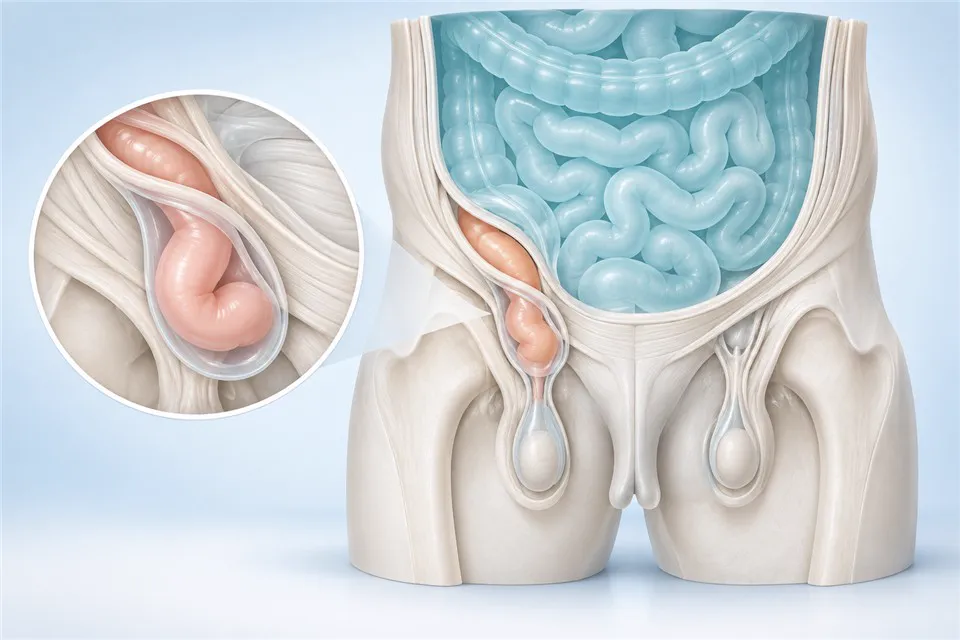 01


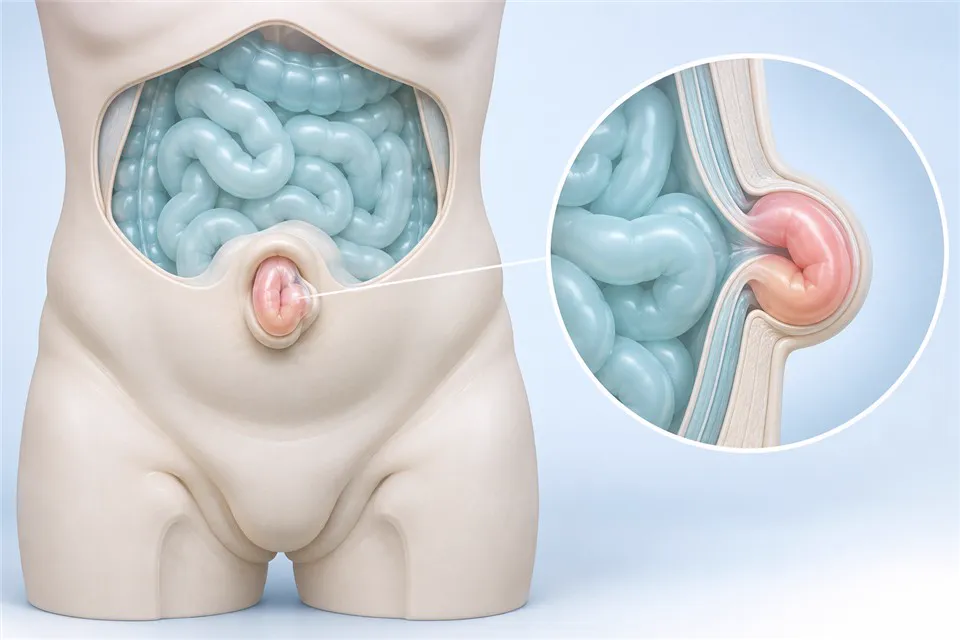 02
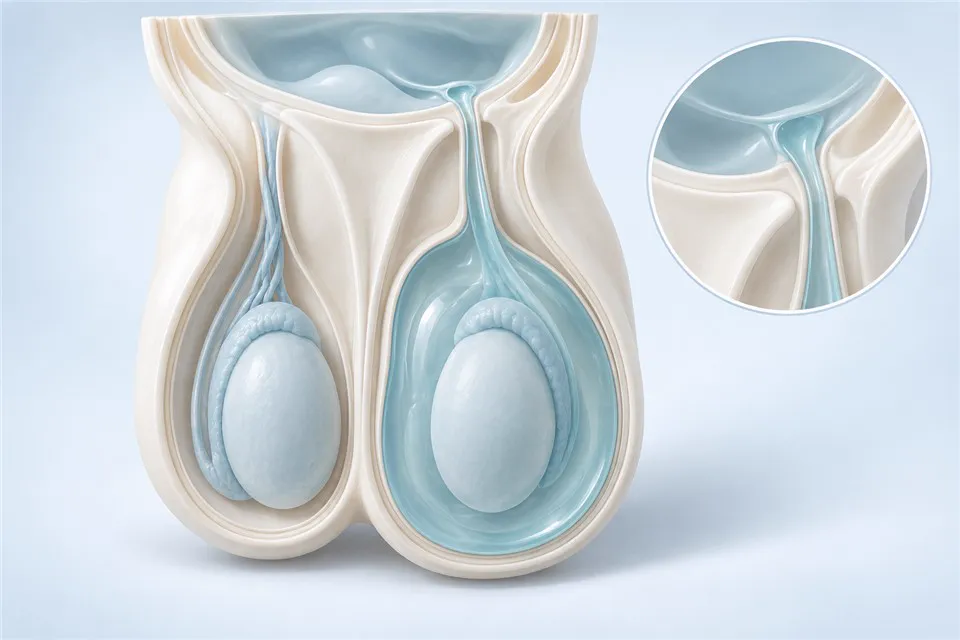 03
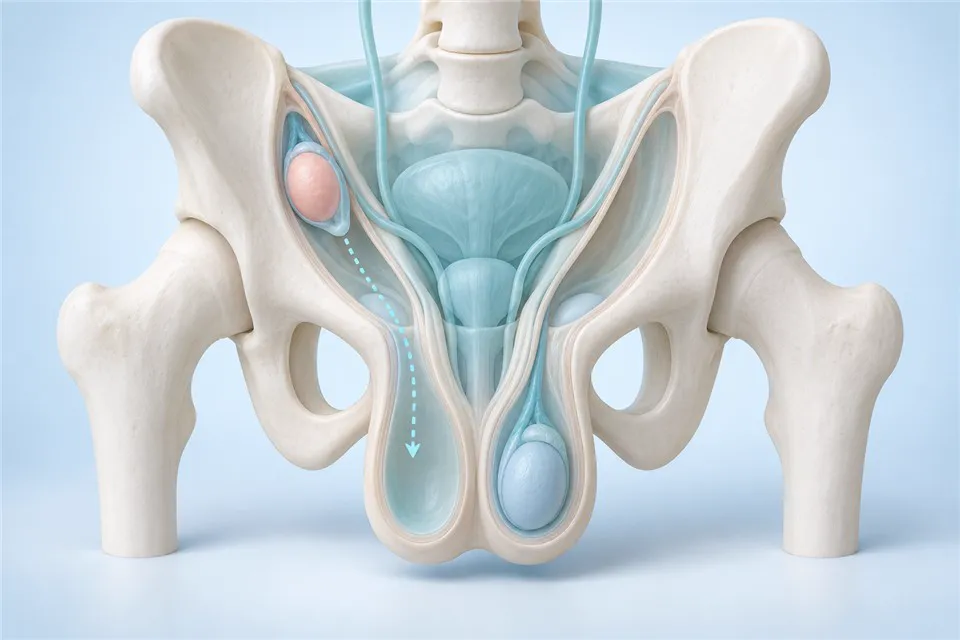 04
 05
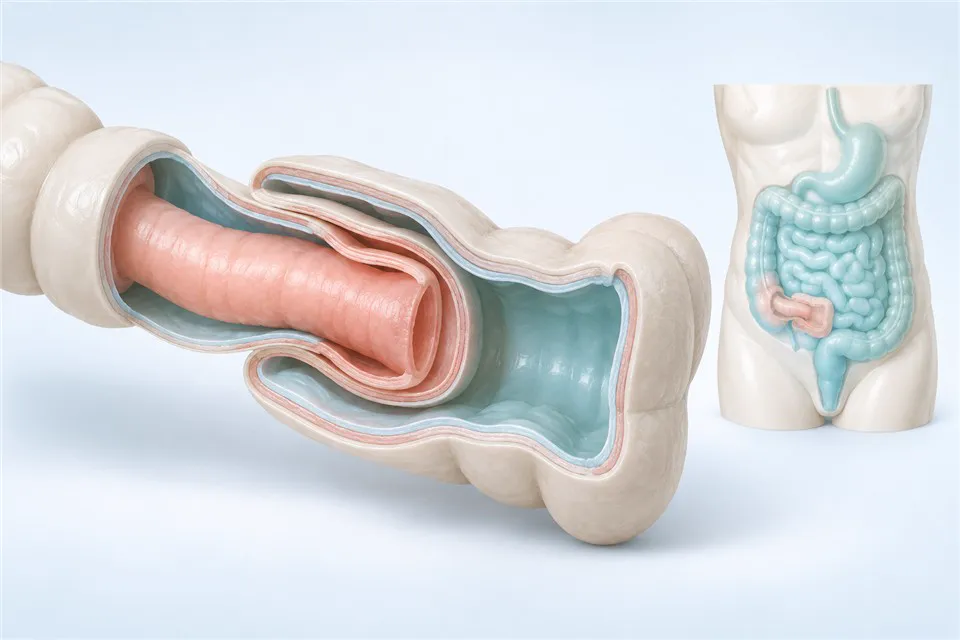 06
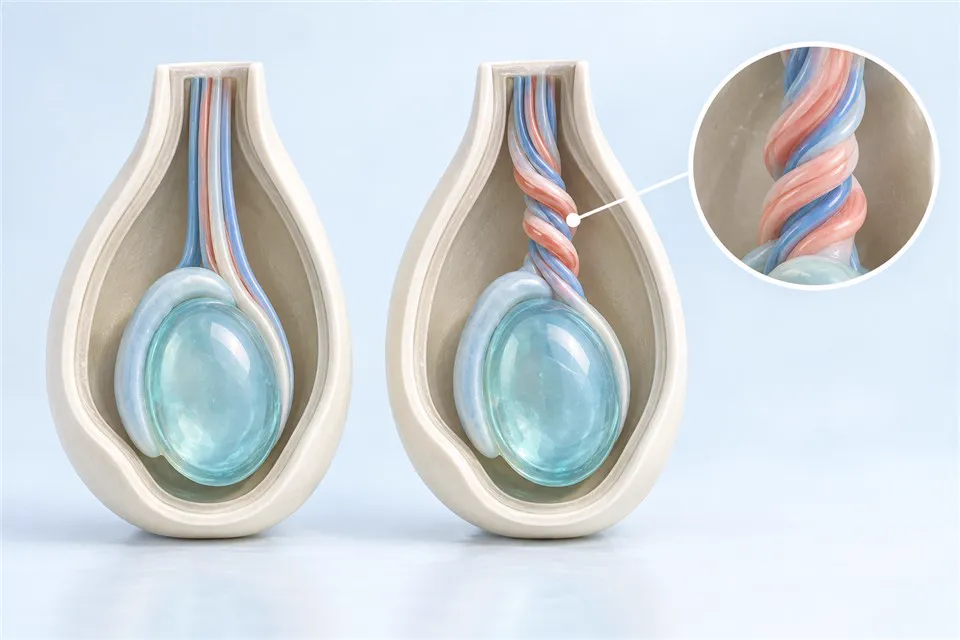 07
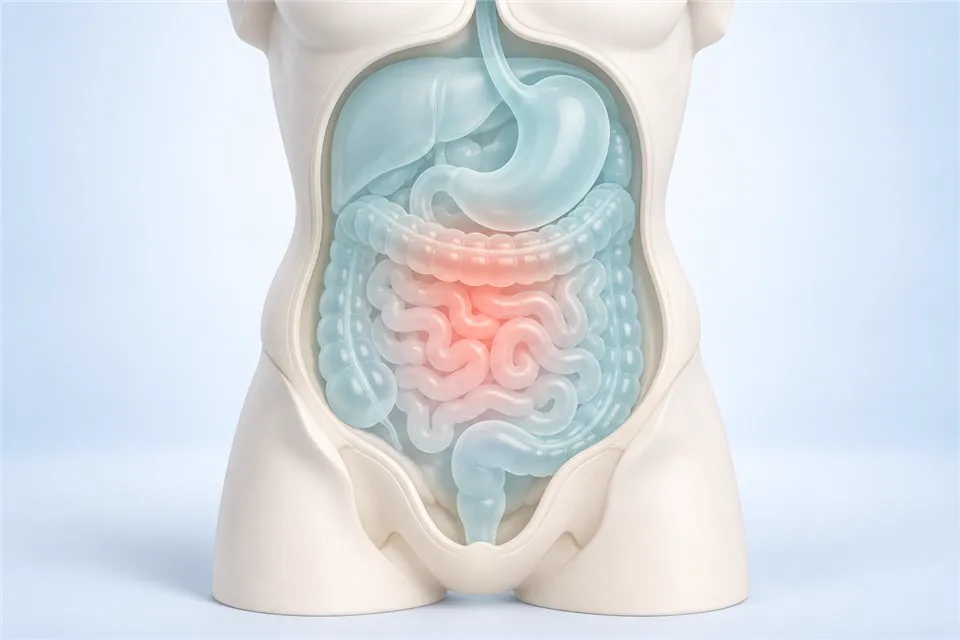 08
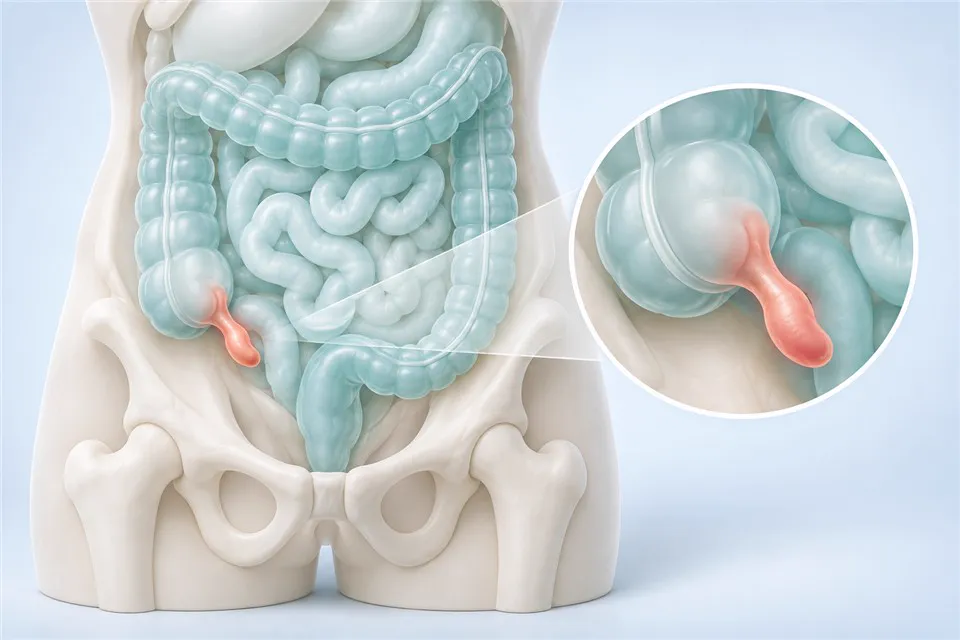 09
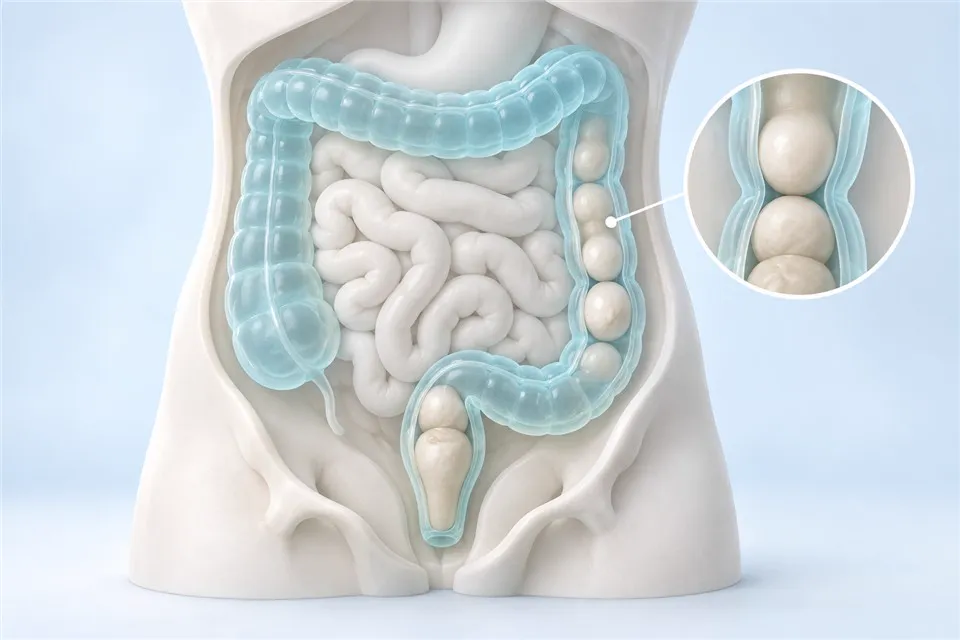 10
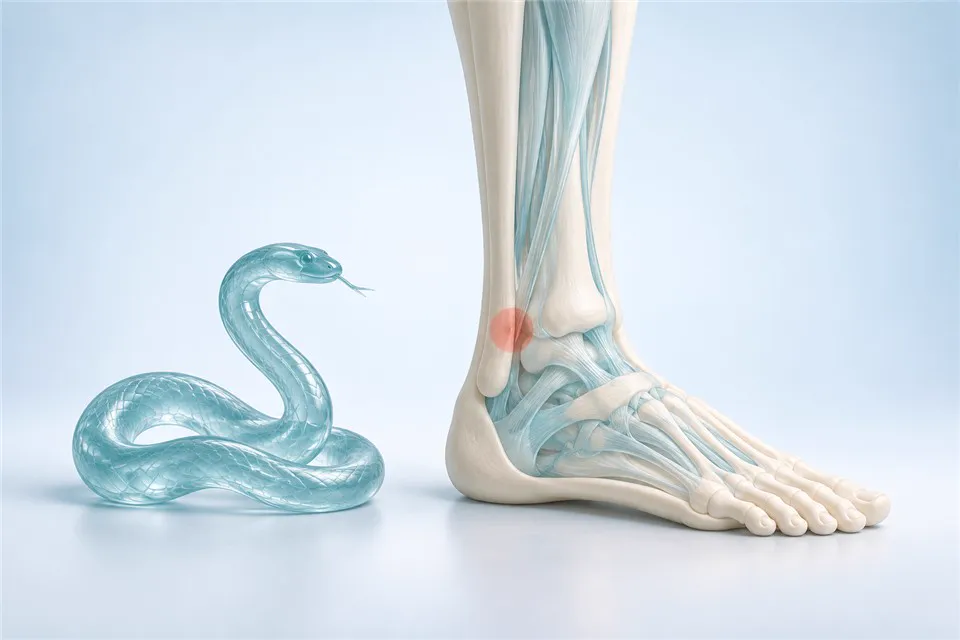 11
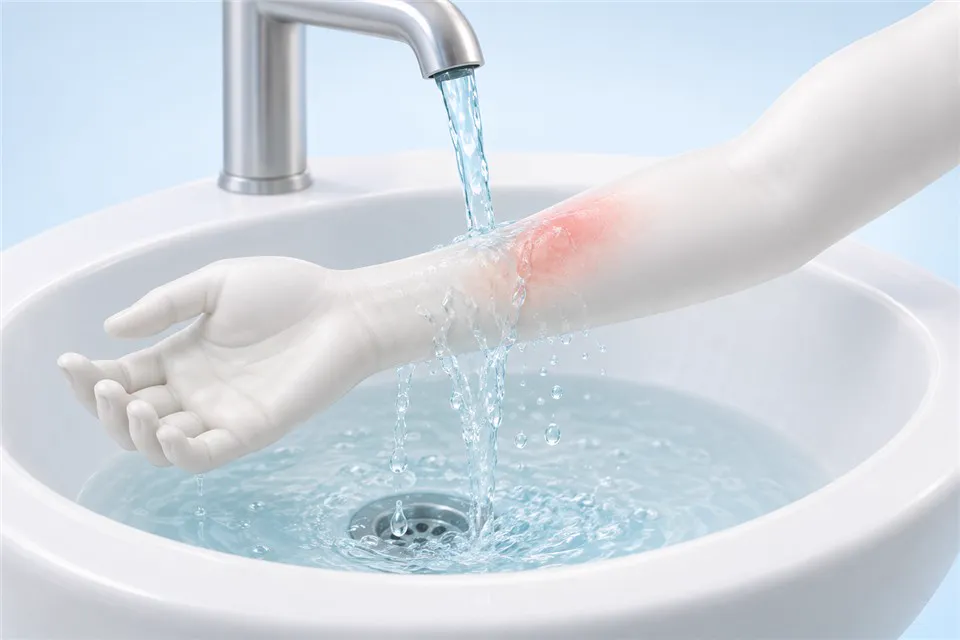 12
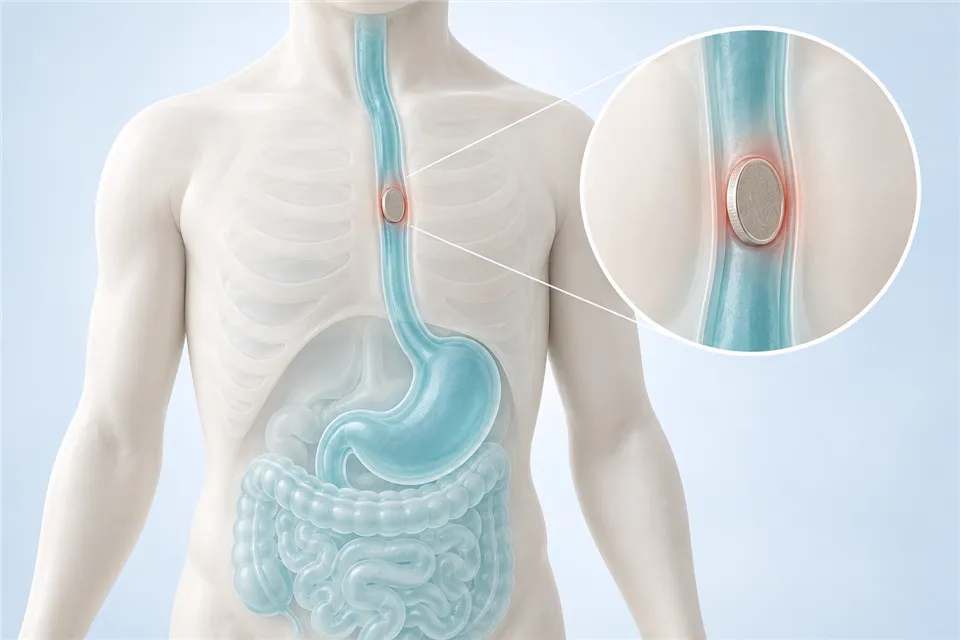 13
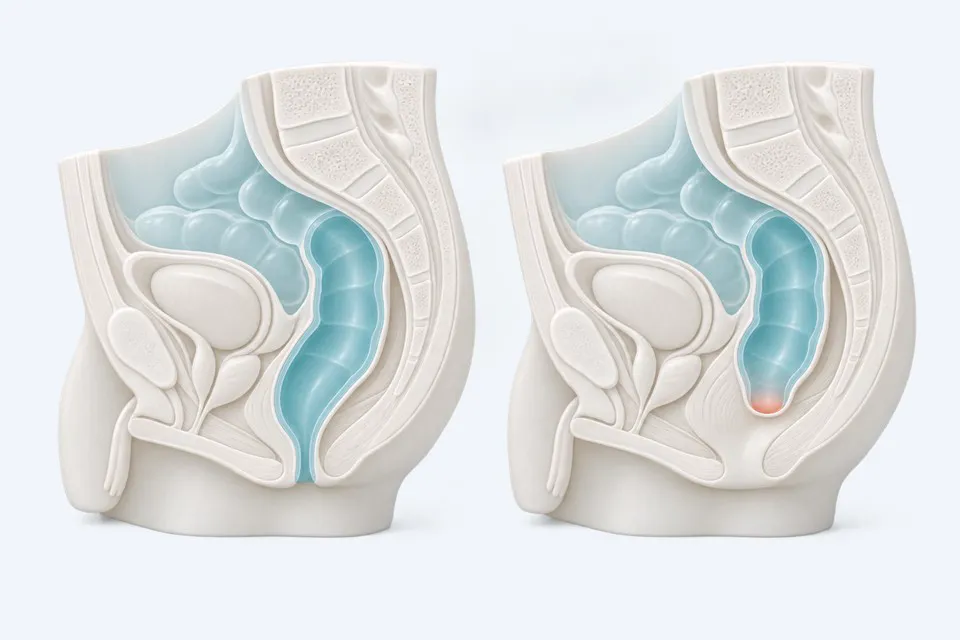 14
 15
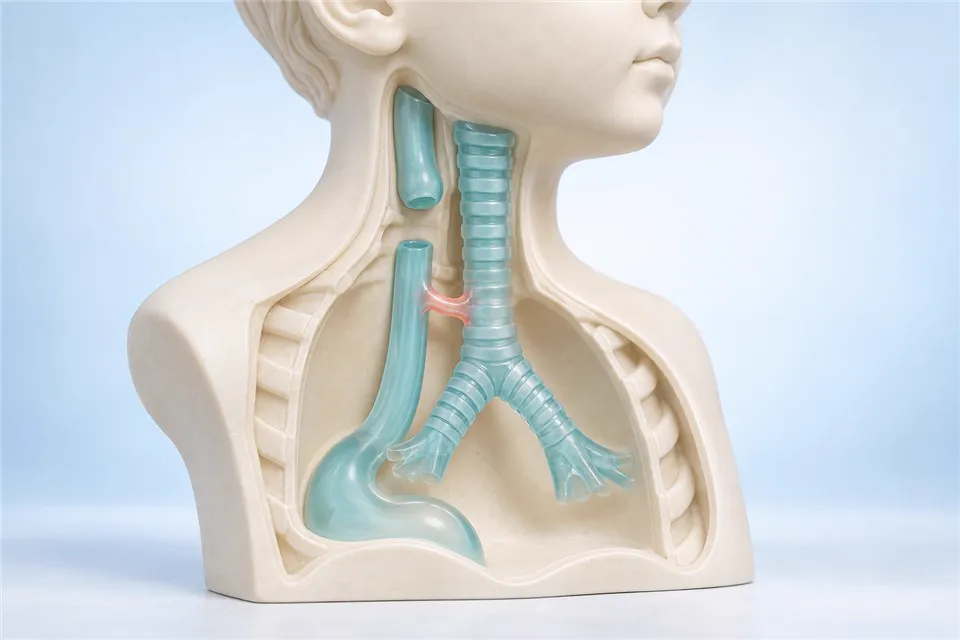 16

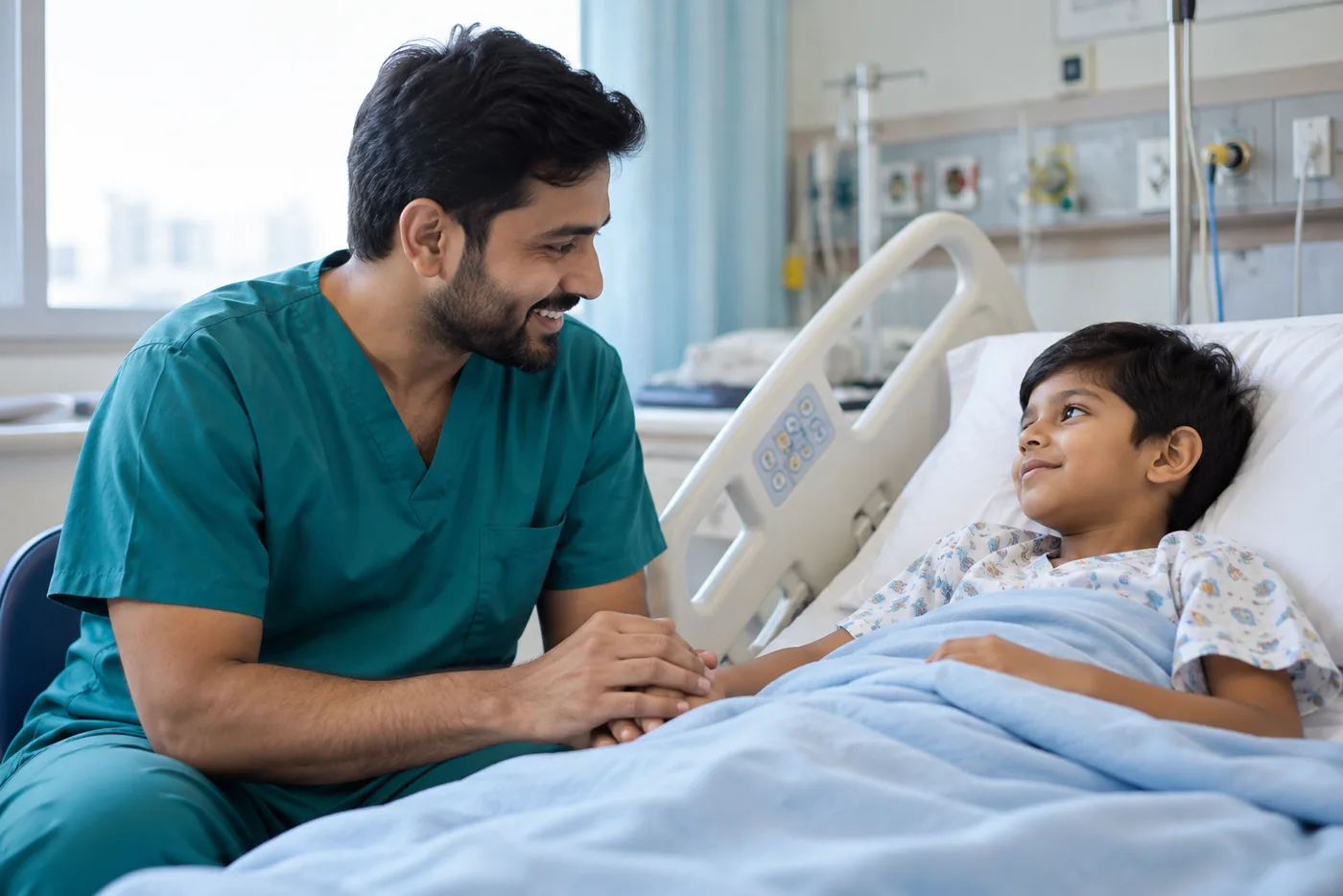

 Choose a topic to read more